Home / Business and Economy / Hybrids Surge as EV Incentives Vanish
Hybrids Surge as EV Incentives Vanish
30 Dec, 2025
Summary
- Hybrid sales are accelerating as EV incentives disappear.
- Roughly 87 car models now offer hybrid technology.
- Hybrids reduce emissions by 20% to 30%.
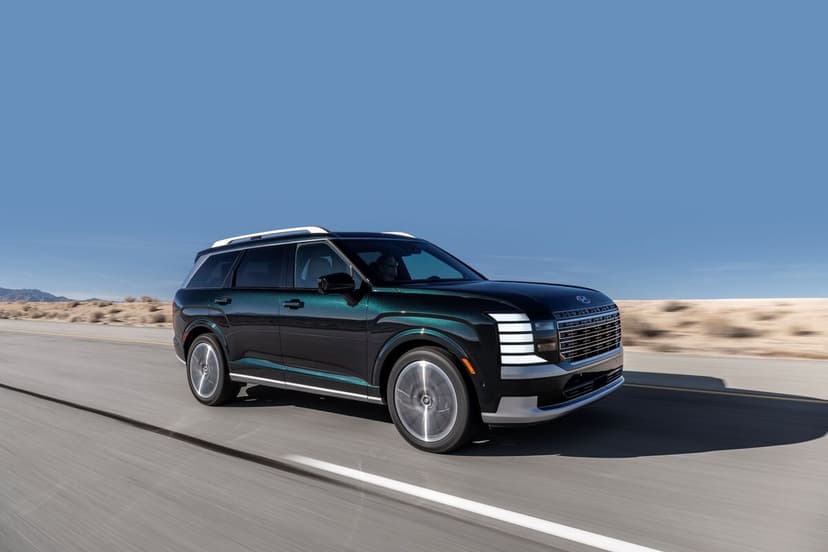
Hybrid vehicle sales are experiencing a significant upswing across the United States, driven by the expiration of federal electric vehicle (EV) purchase incentives. While EV sales have faltered following the removal of up to $7,500 in tax credits, consumers are increasingly turning to hybrids as a practical solution for cutting fuel expenses and emissions. Analysts predict this trend will continue, with nearly one in six new cars sold in 2025 anticipated to be a hybrid model, reflecting automakers' growing investment in the technology.
Automakers are responding to this demand by expanding hybrid offerings; currently, around 87 car models are available with hybrid technology, a nearly 50% increase from five years ago. Many new hybrid models are difficult to distinguish from traditional gasoline cars, and some consumers are unknowingly purchasing them due to their affordability and utility. Contemporary hybrids can reduce carbon dioxide emissions by an estimated 20% to 30%, with plug-in variants offering substantial all-electric range.
The market shift is evident as major manufacturers like Ford, Toyota, and Honda are doubling down on hybrid production. Ford, for instance, is prioritizing a new hybrid pickup over its electric F-150 Lightning. This strategic pivot underscores the growing recognition of hybrids as a crucial step in the transition to full electrification, with studies indicating that about one-third of hybrid drivers eventually transition to fully electric vehicles.