Home / Business and Economy / Homeownership Boosted Post-War Birth Rate
Homeownership Boosted Post-War Birth Rate
28 Sep
Summary
- Government mortgages linked to increased births post-WWII.
- Homeownership, not income, influenced baby boom fertility.
- Policy insights for current low birth rates emerge.
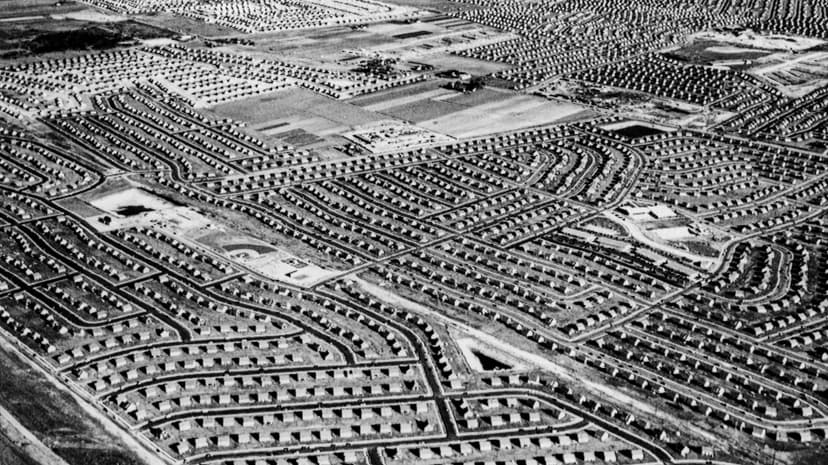
Government-backed mortgage programs, particularly those established under the G.I. Bill, appear to have been a significant, albeit unintended, driver of the post-World War II baby boom. Researchers discovered that increased homeownership among young families directly correlated with a rise in fertility rates during that era.
This finding challenges prior assumptions that economic prosperity alone fueled the population upswing. Instead, the study by economists Melissa S. Kearney and Lisa J. Dettling indicates that the sense of financial and emotional security derived from owning a home played a more critical role. For every 1,000 new mortgages issued by government programs, an estimated 300 additional births followed in subsequent years.
While historical, these insights are deemed relevant for today's policymakers grappling with historic low birth rates globally. Although direct application is complex due to current housing market conditions, making homeownership more accessible could potentially encourage earlier and more childbearing, though challenges remain regarding potential impacts on home prices.


