Home / Business and Economy / Tesla, Hertz, Uber Face Monopolization Lawsuit
Tesla, Hertz, Uber Face Monopolization Lawsuit
29 Nov • 1 read
Summary
- Hertz's large Tesla order became a federal antitrust suit.
- Suit alleges Tesla, Hertz, Uber conspired to monopolize EV market.
- Hertz faces a $245 million charge from selling off EVs.
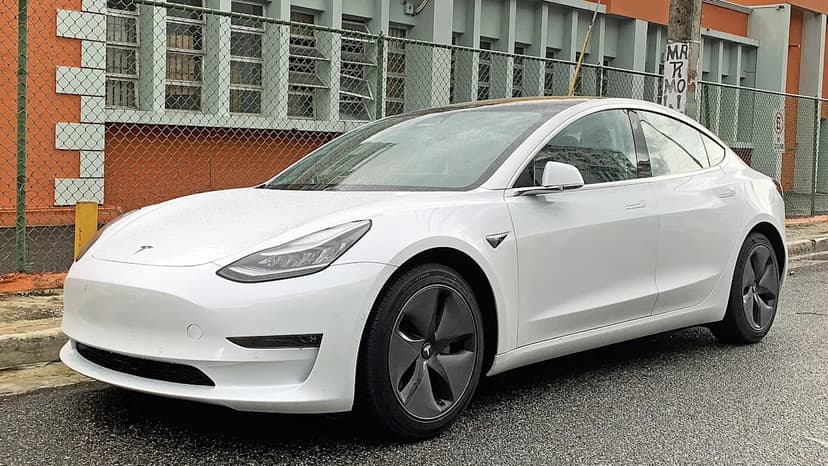
A federal antitrust lawsuit has emerged in California, focusing on Hertz's substantial 2021 order of 100,000 Teslas. The suit accuses Tesla, Hertz, and Uber of collaborating to monopolize the electric vehicle market. According to reports, the core claim is that Tesla manipulated government EV subsidies, enabling Hertz to acquire Model 3s at prices below their average variable cost.
This alleged arrangement is said to have effectively locked out competing electric vehicle manufacturers from accessing rental and ride-hailing services, with Hertz and Uber acting as facilitators. The initial deal between Hertz and Tesla was reportedly valued at $4.2 billion, with Hertz also establishing a partnership to make up to 50,000 Teslas available for Uber drivers by 2023.
Hertz has recently taken significant financial hits related to its EV fleet. In early 2024 filings, Hertz announced plans to sell approximately 20,000 EVs and recognized about $245 million in depreciation expenses. This figure was later revised upwards, with Hertz increasing the sale plan to 30,000 vehicles and incurring a $195 million charge.
The legal challenge centers on the complex issue of predatory pricing, requiring proof that prices were below cost and that the seller could recoup losses. The suit's specifics regarding which subsidies were involved and whether recoupment was pleaded are yet to be definitively determined as legal proceedings are ongoing.


