Home / Business and Economy / Gulf Oil Exports Surge, But Hormuz Flows Slow
Gulf Oil Exports Surge, But Hormuz Flows Slow
19 Jul
Summary
- Gulf crude and condensate exports rose 16% to 12 million bpd in early July.
- Exports are the highest since the Iran war began but Hormuz Strait traffic is slowing.
- Iran warned Houthis to disrupt Red Sea traffic if the US targets its energy infrastructure.
Gulf nations, including Saudi Arabia, the UAE, Iraq, Kuwait, and Iran, increased their combined crude oil and condensate exports to 12 million barrels per day (bpd) in the first half of July. This represents a notable rise from the previous month and the highest export levels seen since the Iran war commenced in late February.
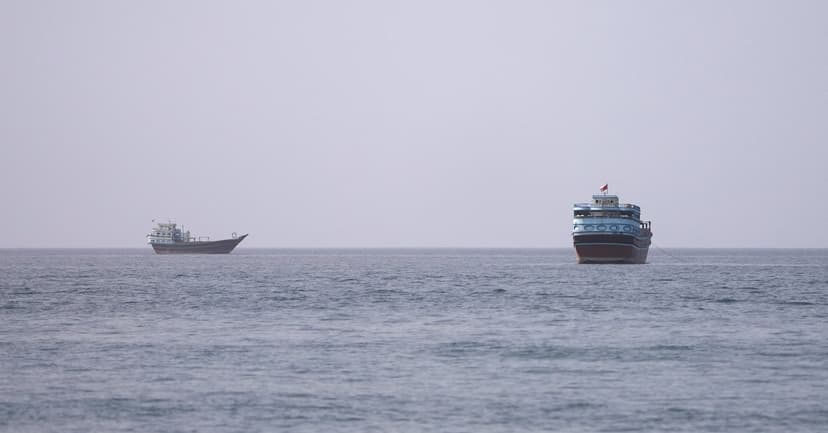
Despite this export rebound, shipments navigating the vital Strait of Hormuz are reportedly slowing due to escalating conflict. This development has led to a decrease in daily transits through the waterway, prompting analysts to suggest potential output reductions by exporting countries.
Adding to global supply concerns, Iran has allegedly instructed Yemen's Houthis to prepare for disruptions in the Red Sea. This warning is reportedly contingent on any U.S. actions targeting Iranian energy infrastructure, introducing significant new risks to international oil flows.
While Gulf exports have recovered, they still remain considerably below the pre-war peak observed in February. Saudi Arabia, a key exporter, has notably rerouted a substantial portion of its energy shipments through its Red Sea port of Yanbu.


