Home / Business and Economy / Gulf Food Prices Soar Amidst Iran Conflict
Gulf Food Prices Soar Amidst Iran Conflict
14 Mar
Summary
- Vegetable and fruit prices have doubled since February 27.
- UAE has only a fortnight's stock of premium rice varieties.
- Air freight costs for pineapple from Kerala have tripled.
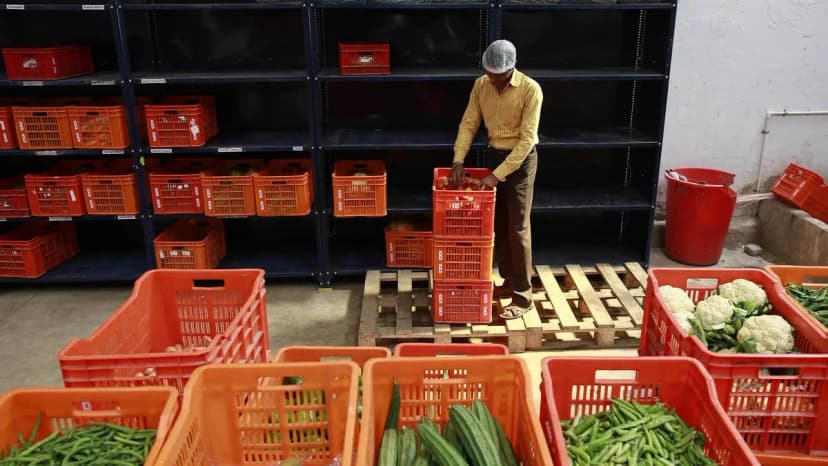
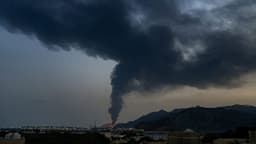
The ongoing conflict in Iran has severely impacted food supplies and prices across the Gulf region, with the United Arab Emirates experiencing substantial inflation. Since February 27, the disruption of sea and air cargo routes has led to a doubling of prices for vegetables and fruits. Stocks of essential foodgrains, such as rice, are dwindling, and the UAE may soon face a shortage of potatoes.
Traders are attempting to manage supplies by sourcing from alternative countries like Sri Lanka, Vietnam, and Thailand. However, escalating freight charges have made many purchases unfeasible. The demand for fruits during Ramadan is high, but limited availability is forcing consumers to cope with reduced options and increased costs. Air freight costs for items like pineapple from Kerala have tripled, leading to order cancellations.
In response to the crisis, the UAE is exploring alternative shipping routes, including utilizing Khor Fakkan Port, which operates outside the Strait of Hormuz. Neighboring countries like Saudi Arabia and Oman are assisting through road transport, leveraging their own port access. Despite assurances of food security and efforts to import via air cargo, the broader logistics chain remains disrupted, affecting consumers throughout West Asia.