Home / Business and Economy / Aging Grids: A National Security Risk?
Aging Grids: A National Security Risk?
24 Mar
Summary
- Global grid investment is projected to reach $5.8 trillion by 2035.
- US alone needs $1 trillion in grid investment through 2035.
- Outdated grids are now seen as a national security risk.
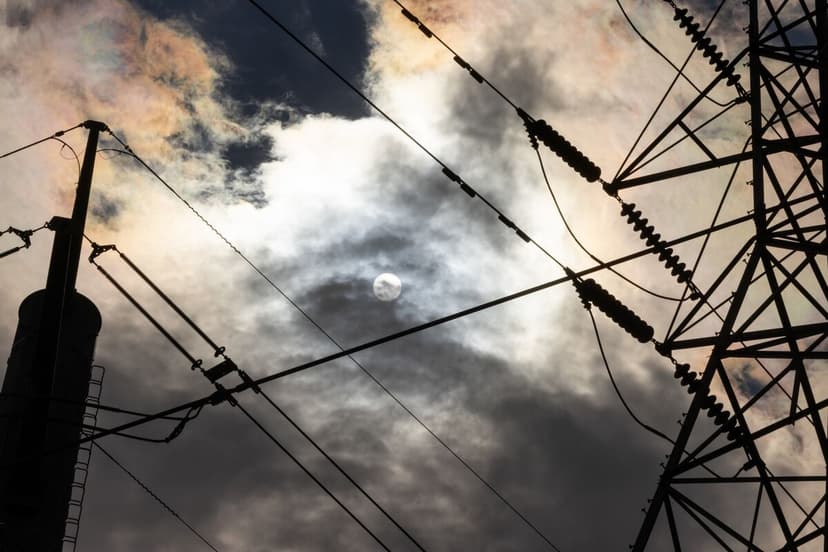
Global investment in power grids is anticipated to reach $5.8 trillion by 2035, with the United States requiring approximately $1 trillion of this amount. This significant capital infusion is driven by a "fundamental reframe" of grid infrastructure, moving from aging, legacy assets to strategically vital systems. JPMorgan Chase & Co. identifies current grid networks as a national security risk due to their vulnerability to threats like extreme weather and cyberattacks, making investments in resilience increasingly attractive.
Factors contributing to this surge in demand for grid modernization include the exponential growth in electricity consumption fueled by artificial intelligence, widespread electrification, and the re-industrialization of developed nations. Additionally, geopolitical energy volatility, particularly concerning oil and gas supplies, is pushing countries toward energy self-sufficiency through new renewable technologies. JPMorgan's analysis underscores that addressing grid bottlenecks is crucial, with a focus on regional solutions given the decentralized nature of US grid management.
Global grid spending already increased to $480 billion in 2025 from $300 billion in 2020. Digital investments are expected to account for 12% of the total projected spending through 2035. This investment is vital for safeguarding supply chain resilience, economic growth, and national competitiveness.