Home / Business and Economy / Global Trade Shifts: Asia Dominates Growth Amid Policy Changes
Global Trade Shifts: Asia Dominates Growth Amid Policy Changes
9 Oct
Summary
- Asia expected to drive 59% of global economic growth in 2026.
- Developing nations risk falling behind in high-value industries.
- Trade value is rising faster than volume due to higher prices.
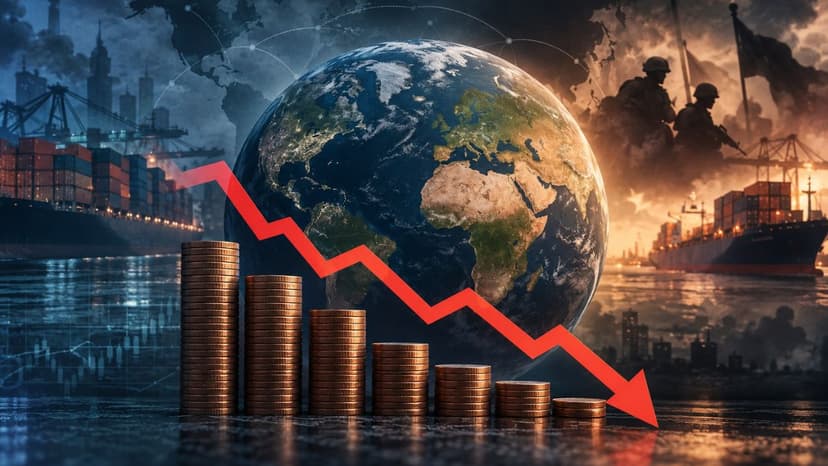
Global economic growth is facing headwinds from geopolitical conflicts, increased borrowing costs, and volatile financial markets. The conflict in the Middle East has exacerbated these issues by driving up energy prices, impacting businesses and households. Asia is set to lead global growth in 2026, contributing 59%, with India, China, and Indonesia as major drivers.
The value of global trade has surged, but this is primarily due to rising prices, particularly for energy, rather than an increase in the volume of goods. Governments are increasingly using trade, financial, and industrial policies to achieve national security and economic objectives. This shift is making it harder for developing countries to access international markets and advance into higher-value industries.
Developed economies are capturing a larger share of investment in strategic sectors like semiconductors and AI. Developing nations, especially in Africa, risk retaining minimal value from exported raw materials without developing processing and manufacturing capabilities. For instance, Africa produces much of the world's cobalt but captures less than 1% of its value chain.
UNCTAD recommends that developing economies focus on building competitive strengths, diversifying trade, and coordinating policies. Strengthening domestic industries through local supplier linkages and technology transfer is crucial. Regional cooperation and initiatives like the African Continental Free Trade Area are vital for market integration and industrial diversification. Expanding renewable energy production is also advised to reduce reliance on imported fossil fuels.


