Home / Business and Economy / Shipping Rates Soar: Peak Season & Trade Demand Drive Costs
Shipping Rates Soar: Peak Season & Trade Demand Drive Costs
30 Jun
Summary
- Global shipping rates expected to remain high for months.
- Demand from recovering trade and peak season tightens capacity.
- Strait of Hormuz reopening has had minimal impact on rates.
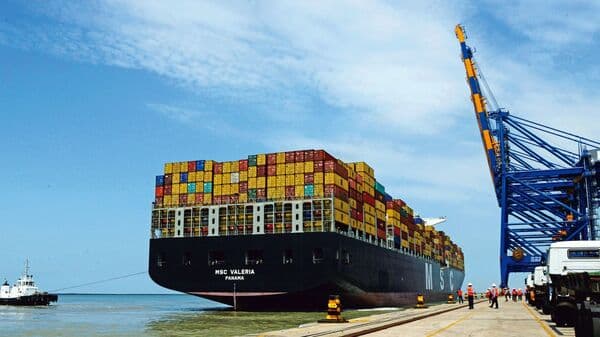
Global shipping freight rates are expected to stay high for the next few months, driven by recovering trade flows and the approaching peak shipping season. Despite a slight easing in rates following the reopening of the Strait of Hormuz, demand for tankers, containers, and cargo vessels continues to outpace available capacity, leading to tight vessel availability.
The Baltic Dry Index, a key indicator for dry bulk shipping, remains significantly above pre-war levels. Congestion at major Asian and European ports further limits vessel availability, while strong cargo demand sustains tight capacity on major trade lanes. Carriers are successfully implementing surcharges, including higher freight-all-kinds (FAK) and peak season surcharges (PSS), putting upward pressure on spot rates.
Container demand is projected to increase, with major shipping lines anticipating a strong peak season from July to December. While capacity growth is expected to align with demand growth, localized shortages may still occur due to operational disruptions. The situation remains fluid, with ongoing uncertainties surrounding the full resumption of shipping activity through the Strait of Hormuz.
Disruptions in the Strait of Hormuz have severely impacted the trade of crude oil, liquefied natural gas, fertilizers, and agricultural commodities. Although daily vessel transits have increased to 57% of pre-conflict volumes as of June 24, 2026, outbound shipments remain exceptionally low. Sustained high freight rates could increase import costs for major oil importers like India.


