Home / Business and Economy / Global Grid Failure: Lights Out Worldwide
Global Grid Failure: Lights Out Worldwide
27 Aug
Summary
- Global power grids are aging in unison, causing widespread blackouts.
- Canada has shifted from electricity exporter to importer.
- US grid faces risk of 18-month nationwide blackout from substation attacks.
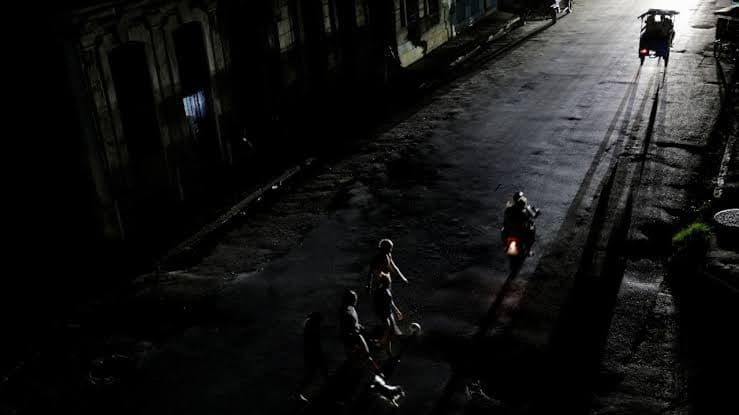
Across four continents, the modern world's electricity infrastructure is showing signs of imminent failure. From Canada, once an energy exporter now reliant on U.S. power, to Libya facing 20-hour blackouts, the grid is buckling. Syria's industrial heartland is threatened by power line instability, while Venezuela rations water and light.
The United States faces a significant threat, with a former regulator warning that disabling just nine key substations could plunge the entire country into darkness for up to 18 months. This risk is amplified by aging infrastructure; over 75% of U.S. distribution transformers are past their 50-year lifespan, and repair times have dramatically increased.
Britain's grid engineers have privately warned of instability risks for two years, according to a leaked report, with executives allegedly reluctant to disclose the full extent of the fragility. This mirrors a global trend where rising demand, aging assets, and a stretched system are creating an increasingly precarious energy landscape worldwide.
Southeast Asia, while currently more resilient, is not immune, with past blackouts in Indonesia highlighting vulnerabilities. The overarching lesson from Ottawa to Tripoli is that electricity, long treated as a background utility, has re-emerged as a critical and contested global resource.


