Home / Business and Economy / Global Honey Fraud: Is Your Sweetener Real?
Global Honey Fraud: Is Your Sweetener Real?
30 Jan
Summary
- 46% of honey sampled by the EU in 2023 was suspected of fraud.
- Prize-winning honey at awards was nearly disqualified due to fraud fears.
- Adulterated honey threatens the livelihoods of beekeepers.
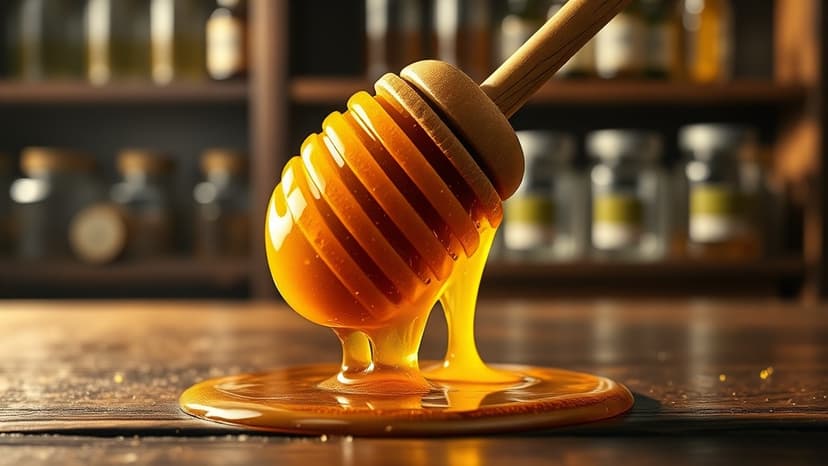
International honey fraud has become a serious concern, with complex global supply chains masking the extent of adulteration. In 2023, the European Commission identified 46% of tested honey samples as potentially fraudulent, highlighting the pervasive nature of the issue. This problem recently cast a shadow over the World Beekeeping Awards, where the Best Honey prize was nearly cancelled due to fears of adulterated entries.
The sophistication of fake honey makes it difficult to detect, posing a significant threat to legitimate beekeepers. They warn that the influx of cheaper, fake honey is driving down market prices, endangering their businesses. Investigations into this global issue involve examining supply chains and speaking with major honey producers.
Experts are analyzing the situation to understand the scale of international honey fraud and its potential impact on consumers. The complex web of international trade means that fraudulent honey can enter various markets, raising questions about food security and product authenticity.