

Home / Business and Economy / Gas Demand Destruction Could Become Permanent
Gas Demand Destruction Could Become Permanent
22 Apr
Summary
- Global energy supply disruption is the largest in modern history.
- Demand destruction measures may become structural if the conflict persists.
- African gas producers are missing opportunities to fill supply gaps.
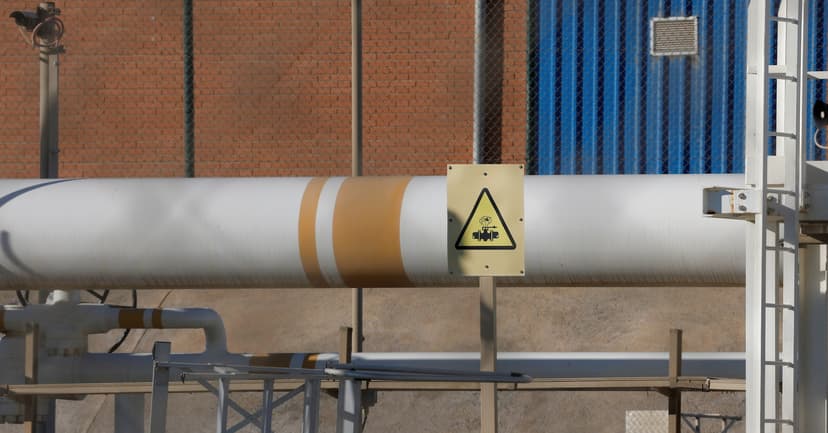
The global energy market is experiencing its most significant supply disruption in modern history due to the ongoing Iran conflict, with over 500 million barrels of crude and condensate removed from circulation since late February. Governments worldwide have implemented measures to mitigate the crisis, including increased coal consumption and accelerated transitions to renewable energy sources.
However, concerns are rising that these demand destruction tactics, currently viewed as short-term responses, could evolve into structural changes if the conflict persists for an extended period. This potential shift could significantly alter the global gas market's outlook, which was previously anticipated to move from a tight supply to an oversupply by 2026.
African energy ministers were urged at a Paris conference to seize the opportunity presented by Middle Eastern supply disruptions and restricted shipping routes. Despite having excess capacity in liquefied natural gas (LNG) and pipeline gas, many African nations are not operating at full production. Export pipelines to Europe, such as those from Algeria and Libya, remain underutilized, allowing North American producers to capture key European and Asian markets.
