Home / Business and Economy / Can Regenerative Farming Survive Rising Land Costs?
Can Regenerative Farming Survive Rising Land Costs?
22 Nov
Summary
- A Georgia farm faces competition for land from data centers.
- The farm employs nearly everyone in the local town.
- Regenerative farming practices are key to its success.
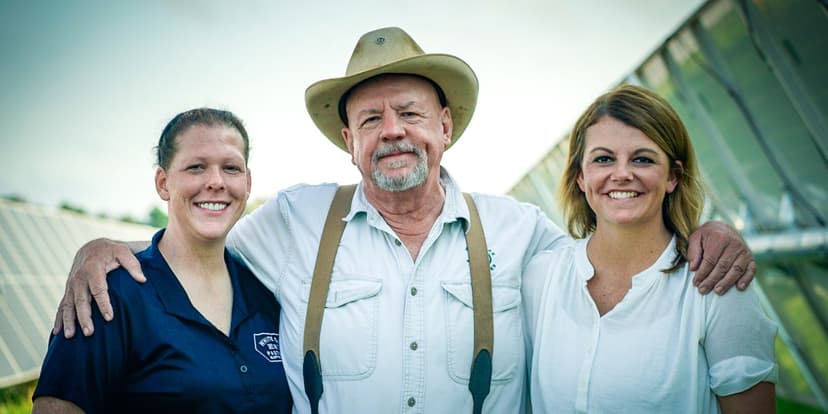
Will Harris's White Oak Pastures, a 5,700-acre farm in Georgia, has become the largest private employer in its county, providing jobs for 170 people in Bluffton. This family operation, with roots dating back to 1866, has evolved into a regenerative farming ecosystem. The business generates $30 million annually by raising livestock, processing meat, and selling directly to consumers.
However, Harris faces significant challenges as record cattle prices are counteracted by soaring land costs. Investors and developers, including data center companies, are outbidding farmers for rural land in Georgia. This trend has led to a 75-year low in the U.S. cattle herd due to droughts and high operating expenses.
Harris transitioned White Oak Pastures to regenerative methods after initially farming conventionally for 20 years. This approach focuses on ecological balance rather than purely industrial efficiency. The shift proved beneficial as consumer demand for grass-fed beef grew, allowing direct sales to major retailers.
The farm also supports aspiring ranchers through its Center for Agricultural Resilience, offering internships and training courses. While concerned about the impact of data centers, Harris acknowledges the need for economic relief in economically impoverished agricultural counties.


