Home / Business and Economy / Food Crime Costs Billions: Are You Being Cheated?
Food Crime Costs Billions: Are You Being Cheated?
10 Feb
Summary
- Food crime, including ingredient substitution, costs the global economy an estimated $110 billion yearly.
- Sophisticated fake honey can fool chemical analysis due to similar sugar levels.
- Lead-poisoned cinnamon in the US in 2023 tragically illustrates food fraud dangers.
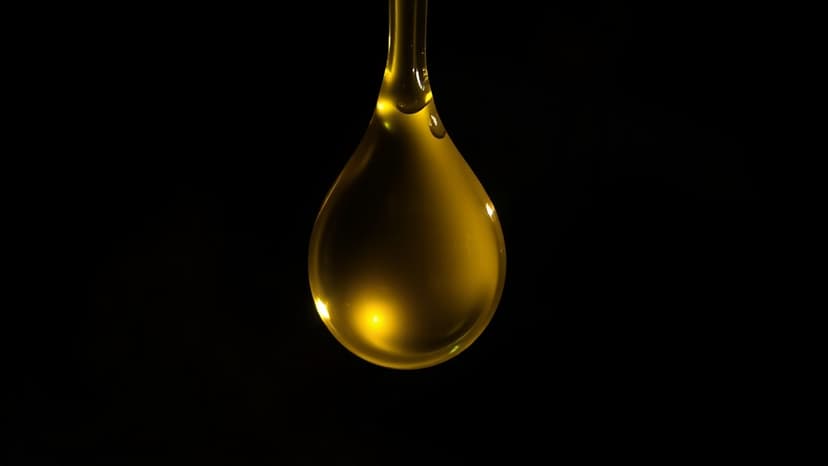
Food crime poses a significant threat, with an estimated annual global economic cost of $110 billion. This includes practices like diluting ingredients, altering documents, and using unapproved processes. Common targets for fraudsters are frequently consumed foods such as dairy, high-value items like olive oil, alcohol, seafood, edible oils, and notably, honey.
Detecting sophisticated fakes, like syrup passed off as honey, is challenging due to their ability to mimic genuine products in taste, smell, and even chemical composition. While methods exist to analyze chemical bonds and isotopes, no single test can definitively identify all fraudulent honey. The primary harms often fall on legitimate producers, though food crimes can also endanger human health.