Home / Business and Economy / Fed Flags AI Boom as Top Risk to Financial Stability
Fed Flags AI Boom as Top Risk to Financial Stability
14 Nov
Summary
- Elevated asset valuations driven by AI optimism pose a key risk.
- Data center buildout firms rapidly increased borrowing, raising concerns.
- Hedge fund leverage reached its highest level since 2013.
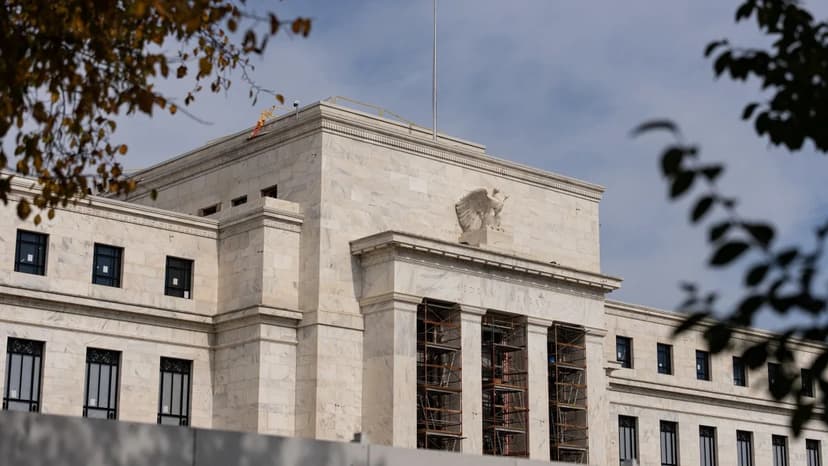
The Federal Reserve issued a stark warning on Friday: elevated asset prices represent a significant risk to financial stability. As of October 28, 2026, asset valuations across most markets remain historically high, largely propelled by market enthusiasm for artificial intelligence and new computing technologies driving U.S. economic growth.
However, this optimism is tempered by concerns regarding corporate capital expenditures and increased debt issuance. A downturn in earnings could lead to lower valuations, tighter credit, and reduced spending, potentially stressing highly leveraged businesses and vulnerable households. Corporate borrowing is a particular focus, with technology companies increasing debt and utilizing complex financing.
Companies involved in the data center buildout have notably increased their borrowing. Concurrently, private credit markets have seen rising loan defaults, reaching historical highs since May 2026. The intricate connections between these firms, public credit markets, private lenders, and financing vehicles require vigilant oversight.
While household debt and delinquencies remain subdued, with low mortgage delinquency rates, leverage among financial institutions is a concern. Hedge funds, in particular, have reached their highest leverage levels since 2013. Despite these risks, the banking sector is reported as sound, with reduced interest rate risk exposure and strong capital levels. Bank exposure to nonbank financial institutions, including private equity, exceeds $2.8 trillion.


