Home / Business and Economy / FCG Soars, UNG Plummets: A Tale of Two ETFs
FCG Soars, UNG Plummets: A Tale of Two ETFs
17 Jul
Summary
- FCG gained 96% over five years, while UNG lost 79%.
- UNG holds near-month futures, suffering from contango roll decay.
- FCG invests in natural gas producers, benefiting from their cash flows.
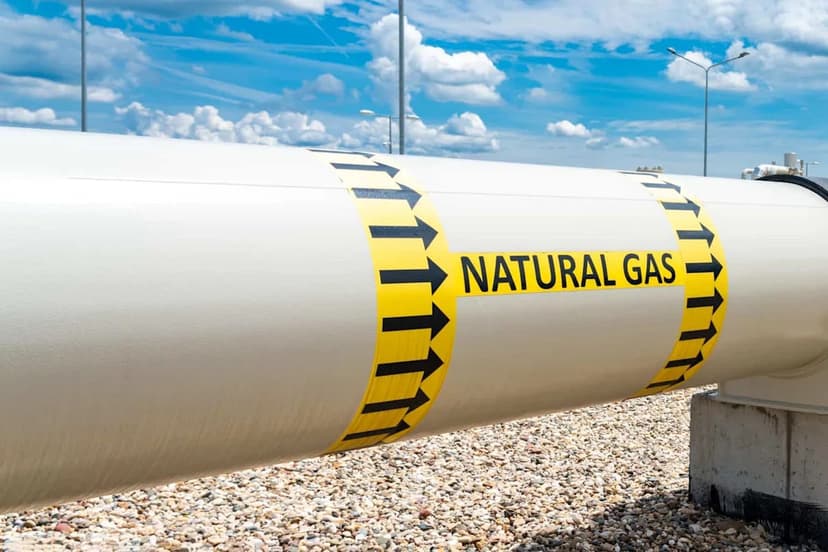
First Trust Natural Gas ETF (FCG) and United States Natural Gas Fund (UNG) offer distinct approaches to investing in the natural gas market, leading to vastly different investor outcomes. Over a five-year period, FCG achieved a 96% gain, while UNG experienced a significant loss of 79.5%.
FCG invests in the equity of natural gas producers, aligning its performance with the earnings and market sentiment surrounding these companies. Its strategy is rooted in the producers' ability to convert higher gas prices into free cash flow and benefit from multiple expansions.
Conversely, UNG holds near-month NYMEX natural gas futures. Its structure requires monthly contract rollovers. When the futures curve is in contango, this process erodes value for investors. UNG's performance is thus highly sensitive to short-term fluctuations in spot prices, making it a tactical instrument rather than a long-term investment vehicle.
The impact of roll yield compounding monthly has severely impacted UNG holders, especially during periods of backwardation. This fundamental structural difference explains the stark performance gap between the two ETFs, despite tracking the same commodity.


