Home / Business and Economy / Beyond Humanoids: FCC's Robot Ban Hits Vacuums
Beyond Humanoids: FCC's Robot Ban Hits Vacuums
29 Jul
Summary
- FCC ban targets ground-traveling robots over 4.4 pounds.
- Existing robots are exempt; future imports face scrutiny.
- US firms must commit to domestic manufacturing for waivers.
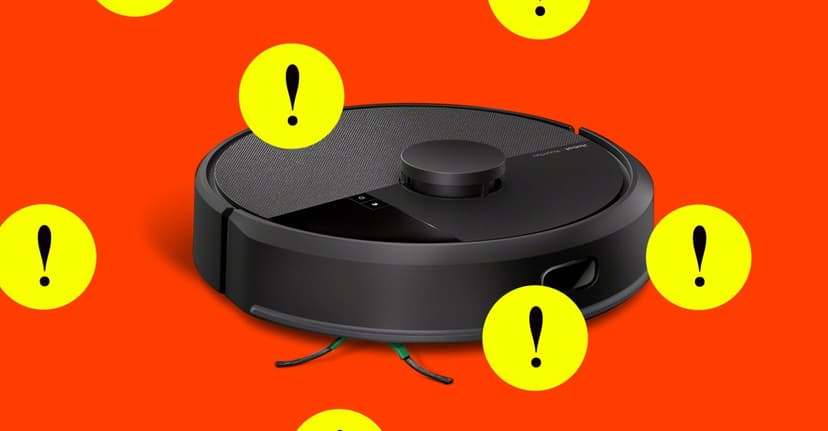
The US government has announced a ban on "advanced robotic devices," with the FCC confirming it extends to robot vacuum cleaners. This measure, effective immediately relative to July 29, 2026, does not affect robots already in the country or those already approved for import. However, new shipments of software-controlled ground robots weighing over 4.4 pounds, capable of environmental perception and wireless connectivity, are now restricted.
This ban encompasses a wide range of devices, including robot lawnmowers and delivery robots, not just the "humanoid robots" and "quadrupeds" initially highlighted. The government's justification centers on national security risks, citing security vulnerabilities in smart home devices. Companies seeking to import new robots must obtain a waiver, which necessitates a commitment to US manufacturing.
The vast majority of robot vacuum manufacturers are based in China, including top brands like Roborock, Ecovacs, and Xiaomi. Even US-based companies, such as the Roomba brand's owner Picea, rely on Chinese manufacturing. To qualify for waivers, these companies must either invest in US production or demonstrate significant US component sourcing, a hurdle that even some US-assembled products may face.
Exceptions exist for certain categories like self-driving cars and industrial robots. The FCC's waiver process prioritizes US companies and requires commitments to domestic manufacturing, though it does not explicitly mandate improved security practices. The ban's broad scope raises concerns for companies heavily reliant on foreign manufacturing.


