Home / Business and Economy / Europe's Green Steel Dream Faces Reality Check
Europe's Green Steel Dream Faces Reality Check
4 Mar
Summary
- EU mandates automakers use low-carbon steel from 2035.
- Green steel costs a third more, facing production delays.
- Automakers shift to scrap-based steel amid green challenges.
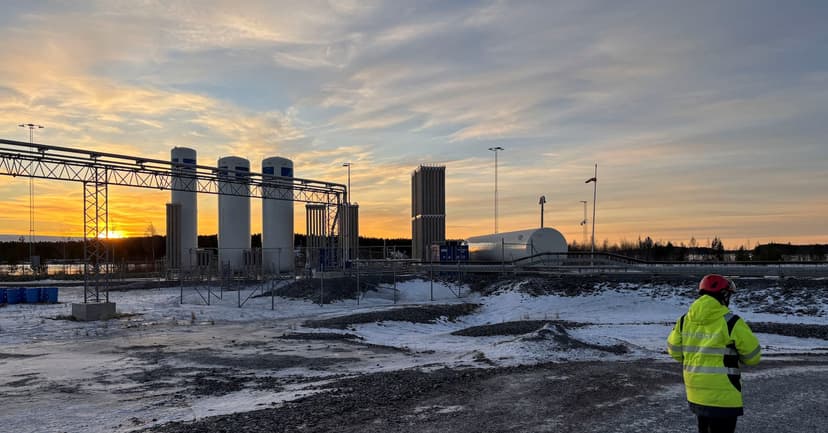
Automakers in Europe are confronting a significant challenge under new European Union plans requiring the use of low-carbon steel. While the EU aims to bolster its steel industry and meet environmental targets, the availability and cost of "green steel," produced with nascent technologies like green hydrogen, remain major hurdles.
Projects for green steel production have faced numerous delays and cancellations due to the high cost and limited scale of green hydrogen. This situation is forcing steelmakers to reconsider their strategies, with some, like ArcelorMittal and Salzgitter, focusing more on scrap-based output. Thyssenkrupp is reportedly renegotiating subsidy terms with Brussels.
An agreed-upon definition of "green steel" is also lacking, creating market uncertainty. The transition from traditional blast furnaces to hydrogen-based systems involves massive investments. Many companies are adopting a step-by-step approach, initially utilizing electric arc furnaces with scrap before potentially integrating hydrogen-based direct reduced iron (DRI) systems.
Automakers like Volvo Car are adapting by agreeing to use scrap-based fossil-free steel, with plans to transition to hydrogen-based supply later. However, some industry leaders note that while demand is anticipated, commercial offerings for green steel are not yet widely available, indicating a prolonged transition period.