Home / Business and Economy / EU Court Hears Lithium Mine "Sacrifice Zone" Case
EU Court Hears Lithium Mine "Sacrifice Zone" Case
9 Feb
Summary
- Groups challenge EU's 'strategic' status for Barroso lithium mine.
- Mine location conflicts with a UN Globally Important Agricultural Heritage System.
- Ruling may impact other EU strategic mining projects.
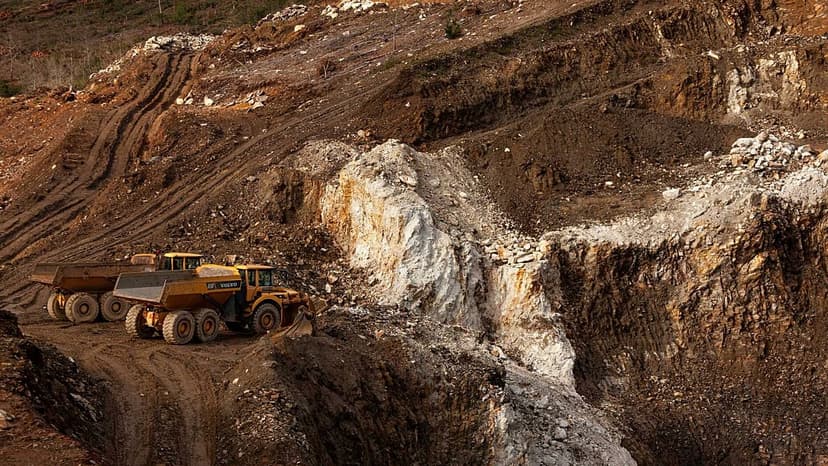
A significant legal dispute has emerged at the European Court of Justice concerning the Barroso lithium project in northern Portugal. Environmental organizations and local residents are contesting the European Commission's designation of the mine as "strategic." This status grants benefits like expedited permitting and easier financing, crucial for supplying materials for electric vehicles and batteries under the EU's Critical Raw Materials Act.
The Barroso mine is situated in Portugal's Trás-os-Montes region, near Boticas, above one of Europe's largest known spodumene deposits. However, the area is also recognized by the UN's Food and Agriculture Organization as a "Globally Important Agricultural Heritage System." Critics argue that granting strategic status overlooks potential risks to water resources, biodiversity, and local livelihoods, potentially turning the region into a "sacrifice zone" for the energy transition.
Despite these concerns, the European Commission included Barroso among 47 strategic projects in March 2025. Following a rejection of campaigners' requests to remove the project in November, the Commission stated that Portuguese authorities are responsible for verifying environmental law compliance. The project has received backing from the Portuguese government, with €110 million in funding from developer Savannah Resources.
Developers claim the mine could produce lithium for up to one million EV battery packs annually. Savannah Resources asserts that design modifications and monitoring systems have substantially reduced risks to water resources. The court's decision is anticipated to be a test case, potentially influencing other strategic mining projects and the balance between commercial interests and local opposition.