Home / Business and Economy / Energy Demand Soars: The Age of Gas Accelerates
Energy Demand Soars: The Age of Gas Accelerates
7 Feb
Summary
- Global LNG demand is projected to reach 800 million tonnes by 2050.
- AI and data centers are driving unprecedented energy consumption.
- Energy companies now focus on 'energy addition,' not substitution.
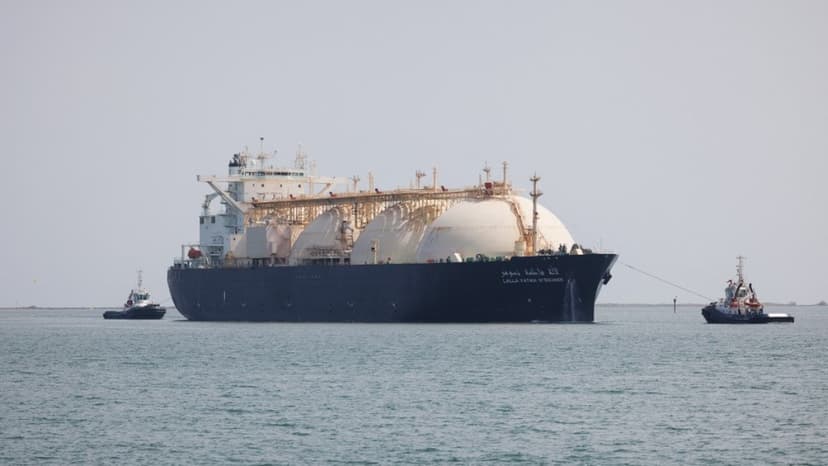
Global energy demand has entered a new era of hyper-scaling, driven by unprecedented needs from artificial intelligence and data centers, according to leaders in the energy sector. For two decades, demand was static, creating an illusion of controlled transition. However, executives from major energy companies now assert that the 'age of gas' is accelerating, with global LNG demand expected to surge from 400 million tonnes annually to 600 million by 2030 and approach 800 million by 2050.
This shift is underpinned by substantial investments in LNG infrastructure worldwide, including expansions in Qatar and new facilities in North America, Africa, and South America. The narrative has evolved from energy substitution to 'energy addition,' recognizing that nearly a billion people lack basic electricity and require energy for prosperity. The Russia-Ukraine war highlighted gas's role in providing flexibility and security, reshaping global energy flows.
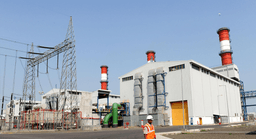
While renewables like wind and solar are acknowledged as part of the future mix, executives emphasize their intermittent nature and the stress on grids. Gas turbines remain critical for grid stability, offering a dispatchable and immediate power source that can 'fill the gap' when renewables are not available. Companies are also investing in emission reduction technologies such as carbon capture and storage, aiming for responsible energy addition.
The industry faces challenges including lengthy permitting processes, skilled labor shortages, and community resistance, alongside policy frameworks that executives find detached from operational realities. Despite these hurdles, energy producers are betting that supercharged global demand, particularly from AI and economic ambition, will outpace the ability of renewables alone to meet the load, positioning gas as a foundational stabiliser for a world that cannot afford shortages.