
Home / Business and Economy / EM Currencies Falter: India, Indonesia Intervene
EM Currencies Falter: India, Indonesia Intervene
20 May
Summary
- Indian rupee hit a new record low, prompting central bank intervention.
- Indonesia implemented a larger-than-expected interest rate hike.
- Emerging market stocks declined amid global bond selloffs.
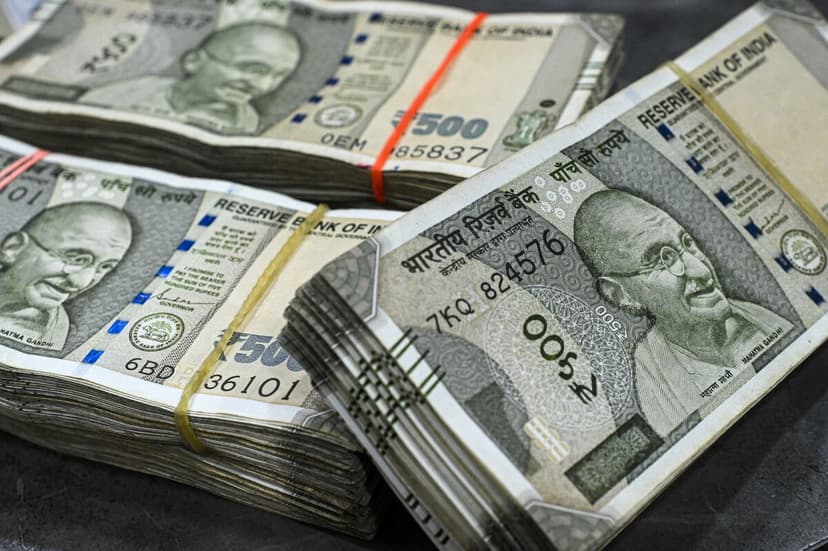
Currencies in India and Indonesia showed slight gains, moving away from record lows due to intensified central bank intervention efforts. This action reflects the ongoing strain on emerging markets globally.
A broad index of emerging stocks saw a decrease, reaching a two-week low. This downturn was led by major technology firms in South Korea and Taiwan, following a previous day's significant bond market selloff.
The Indian rupee plummeted to a new all-time low, compelling the Reserve Bank of India to step in with interventions. To stabilize the currency, India has also raised fuel prices and doubled import taxes on gold and silver.
Indonesia's central bank enacted a larger-than-anticipated interest rate increase to strengthen the rupiah. This move followed substantial reserve spending and ongoing government bond buybacks aimed at curbing rising yields.
Emerging market central banks are expected to adopt more reactive policies if energy price pressures persist through the summer. The absence of policy rate adjustments increases the risk of broader economic impacts.
In South Africa, traders are anticipating a quarter-point interest rate hike this month due to accelerating inflation. The Romanian leu, however, continued to weaken after the central bank indicated a potential for more flexible currency movements.
Chinese government bond yields dropped to their lowest levels since mid-August 2025, diverging from global trends. Separately, two oil-exporting African nations, the Republic of Congo and Angola, are planning to buy back their eurobonds.
