
Home / Business and Economy / India Faces Soaring Edible Oil Costs Amid Global Turmoil
India Faces Soaring Edible Oil Costs Amid Global Turmoil
11 May
Summary
- Edible oil import costs rose significantly due to West Asia conflict.
- Freight and insurance costs doubled, impacting India's import bill.
- SEA requests government support including freight subsidies.
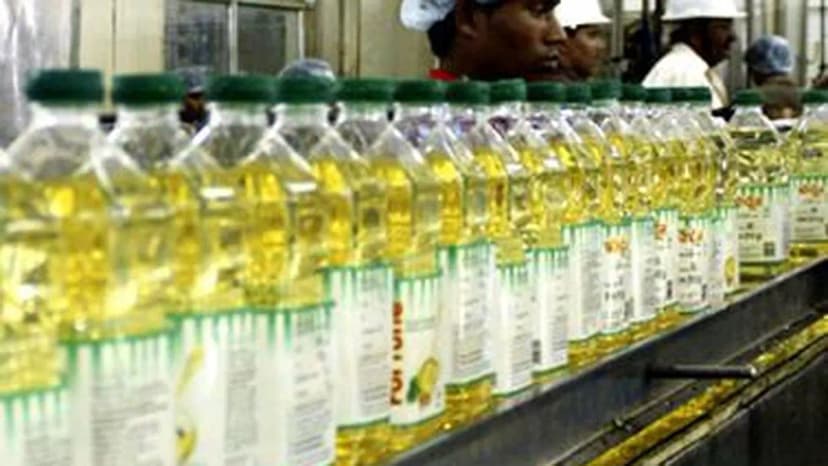
The West Asia crisis has significantly impacted India's edible oil sector, leading to a steep rise in import costs. The Solvent Extractors' Association of India (SEA) has submitted a memorandum to the government, requesting policy support to navigate the current challenges. Landed costs for palm oil have surged by over $105 per tonne, and soybean oil by $80 per tonne since the conflict began.
Increased global biodiesel mandates by countries like Indonesia and Malaysia, coupled with higher ocean freight costs, have exacerbated the situation. Freight rates have nearly doubled on key corridors, and war-risk insurance premiums have also firmed up, adding a substantial cost burden to edible oil imports. This escalating import bill, combined with currency volatility and a depreciating rupee, is contributing to inflationary pressures within India.
SEA is advocating for government intervention, including freight cost subsidies and priority berthing for edible oil vessels, to stabilize the supply chain and control domestic prices. The association also seeks enhanced incentives for oilmeal exports. Despite a ceasefire, structural challenges like high freight costs and tight global supply persist, with no immediate relief expected.
