Home / Business and Economy / US vs. Europe: Why Diesel Costs More Than Gas
US vs. Europe: Why Diesel Costs More Than Gas
8 Dec, 2025
Summary
- US diesel became costlier than gasoline after 2006 cleaner fuel regulations.
- Higher federal taxes on diesel fund road maintenance due to heavy vehicle use.
- Europe taxes gasoline more heavily, making diesel cheaper for consumers.
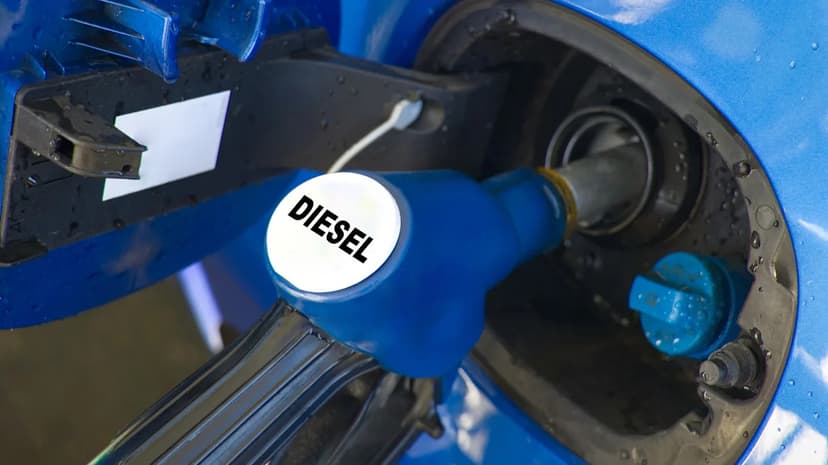
In the United States, diesel fuel has maintained a higher price point than gasoline for approximately twenty years. This persistent gap originated from new environmental regulations in 2006, mandating significantly lower sulfur content in diesel. Refiners faced increased costs for processing, equipment upgrades, and sourcing specific crude oils, permanently elevating diesel's production expenses.
Taxation further contributes to diesel's elevated price. A higher federal tax rate is applied to diesel fuel compared to gasoline, with many states imposing additional fees. This differential is attributed to the greater wear and tear on roads caused by heavy-duty vehicles that primarily use diesel. Consequently, this tax structure directly impacts the retail price.
Global market dynamics and demand also play a crucial role. While a crude oil barrel yields more gasoline, diesel is essential for critical sectors like trucking, agriculture, and shipping. Seasonal demand surges, especially during winter for heating, and supply disruptions can rapidly inflate diesel prices. In stark contrast, Europe's tax policies often favor diesel, with higher taxes on gasoline, effectively reversing the price trend seen in the U.S.