

Home / Business and Economy / Commuter Towns See Prices Plummet
Commuter Towns See Prices Plummet
9 Apr
Summary
- Commuter towns are experiencing property value declines.
- Higher mortgage rates and return-to-office policies are cited causes.
- Some areas have seen price drops of up to 29 percent.
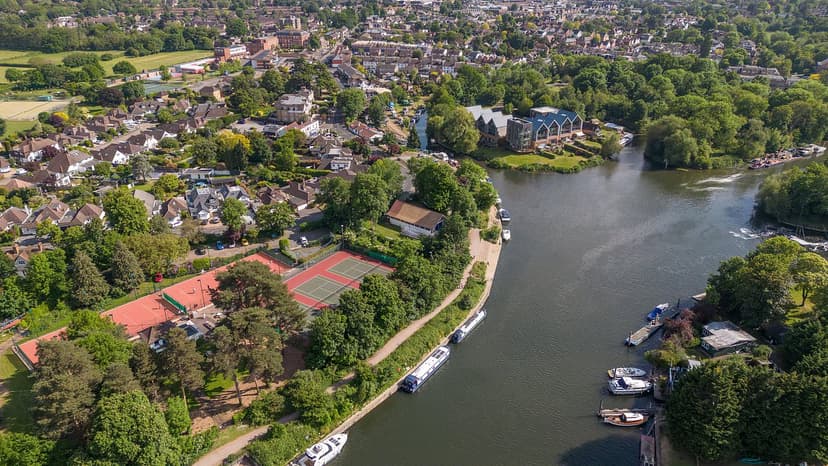
The appeal of commuter towns for achieving work-life balance appears to be waning, as property values in several favoured locations have begun to decline. This marks a notable shift from the post-pandemic trend where demand for larger homes in these areas surged.
Experts attribute the downturn to a combination of factors. The increased cost of living, coupled with higher interest rates, has made mortgages more expensive. Simultaneously, a more widespread return to office-based work means the daily commute is being re-evaluated not as a lifestyle choice, but as a significant monthly expense.
Previously booming areas are now experiencing price drops. For instance, Richmond has seen a 2.4% dip, with average prices at £795,023. Cambridge follows with a 2.5% decrease, bringing average prices to £476,755.
Other locations experiencing significant falls include Lewes (2.8%), Watford (3.3%), and Maidenhead (3.4%). Reigate has seen a 4.1% drop, Brighton 4.8%, and St Albans 5.3%. Chester recorded a 6.4% decline, while Bracknell experienced a substantial 13.9% decrease.
The most significant price drops were observed in Weybridge, with a 21% fall, and Leatherhead, which saw a remarkable 28.6% decrease in property values between 2024 and 2025. These figures suggest that potential buyers might find significant savings in these previously premium commuter hotspots.
