Home / Business and Economy / Buyers Hold Key to China's Carbon Peak Ambitions
Buyers Hold Key to China's Carbon Peak Ambitions
3 Aug
Summary
- Procurement decisions significantly impact a company's carbon footprint.
- Sustainable sourcing can lead to long-term stability and market access.
- Digital tools now simplify verifying supplier environmental performance.
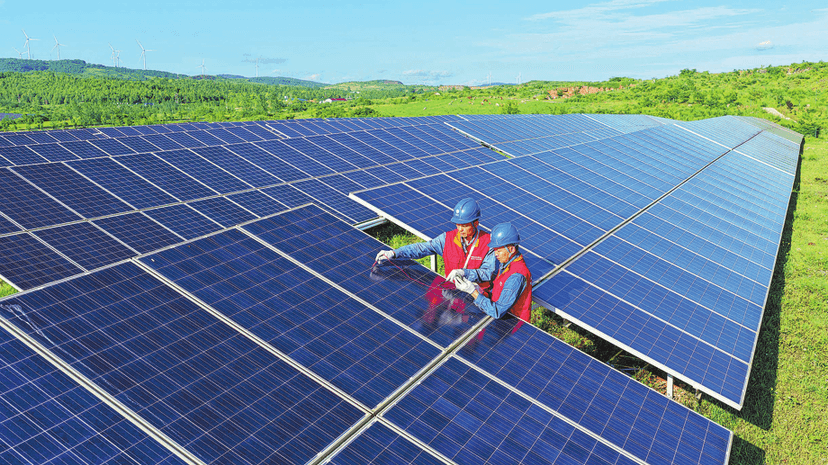
China's upcoming 15th Five-Year Plan (2026-2030) emphasizes green manufacturing and low-carbon industrial upgrades to meet ambitious national climate targets. While much focus is on technology and finance, the critical role of procurement in achieving these goals is gaining attention.
Procurement, the process of selecting suppliers and signing contracts, carries significant weight. Upstream sourcing decisions often dictate the majority of a product's carbon footprint, making buyer choices more impactful than factory operations alone. Integrating sustainability criteria from the outset ensures these factors are considered, unlike when they are added later under cost pressure.
Suppliers with cleaner processes may have higher initial costs but offer greater stability. They face fewer regulatory penalties and have better access to environmentally stringent export markets. Buyers focusing on total long-term costs, not just immediate price, recognize this benefit.
Decarbonization is increasingly driven by buyer-led greening initiatives. This involves negotiating emissions reporting as part of contracts and implementing phased supplier development programs. Training and investment in cleaner equipment support smaller manufacturers in meeting environmental benchmarks.
Collaboration extends to product design, with buyers influencing packaging, durability, and repairability. This proactive approach, exemplified by a recent sourcing decision favoring recycled packaging and material compliance, reduces risk and aligns with evolving EU regulations.
Digital tools, such as supplier traceability and emissions-tracking software, are democratizing environmental performance verification. These tools, becoming more affordable and common, are transforming supplier assessment from a specialist task into a standard part of the sourcing workflow.
International examples, like tiered supplier disclosure in the EU and joint training programs in Germany, highlight that support, not just strict rules, accelerates change. China's state-owned enterprises are already incorporating green criteria into procurement, and extending this to private manufacturing could further accelerate progress.
A shared registry of green suppliers could streamline the process for smaller exporters, allowing verified suppliers to serve multiple buyers. This consistent data collection would also provide policymakers with a clearer view of the low-carbon transition's progress on the ground.
Supply chains decarbonize through countless daily sourcing decisions. Procurement is the essential mechanism translating national climate targets into tangible results, contract by contract.


