feedzop-word-mark-logo
searchLogin
Feedzop
homeFor YouIndiaIndia
You
bookmarksYour BookmarkshashtagYour Topics
Trending
trending

Switzerland ski resort blast

trending

Rajesh Khanna bungalow sold for ₹90Cr

trending

Modern Diagnostic IPO opens

trending

JEE Main 2026 Intimation Slip

trending

Mitchell Marsh named Australia captain

trending

Tata Steel shares rise

trending

Cupid share price hits record

trending

Vodafone Idea share price rises

trending

HFCL share price rising sharply

Terms of UsePrivacy PolicyAboutJobsPartner With Us

© 2026 Advergame Technologies Pvt. Ltd. ("ATPL"). Gamezop ® & Quizzop ® are registered trademarks of ATPL.

Gamezop is a plug-and-play gaming platform that any app or website can integrate to bring casual gaming for its users. Gamezop also operates Quizzop, a quizzing platform, that digital products can add as a trivia section.

Over 5,000 products from more than 70 countries have integrated Gamezop and Quizzop. These include Amazon, Samsung Internet, Snap, Tata Play, AccuWeather, Paytm, Gulf News, and Branch.

Games and trivia increase user engagement significantly within all kinds of apps and websites, besides opening a new stream of advertising revenue. Gamezop and Quizzop take 30 minutes to integrate and can be used for free: both by the products integrating them and end users

Increase ad revenue and engagement on your app / website with games, quizzes, astrology, and cricket content. Visit: business.gamezop.com

Property Code: 5571

Home / Business and Economy / China's Gig Economy: Precarious Work, Lost Skills

China's Gig Economy: Precarious Work, Lost Skills

20 Nov, 2025

•

Summary

  • Gig economy workers face long hours with little job security.
  • Temporary labor is rising in manufacturing, harming skill development.
  • Workers lack insurance, benefits, and career advancement opportunities.
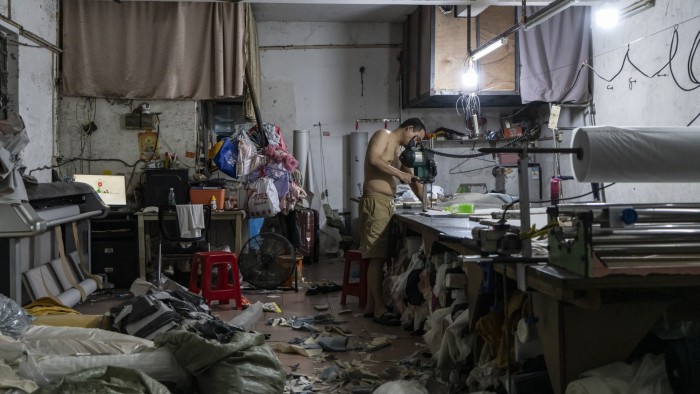
China's Gig Economy: Precarious Work, Lost Skills

Millions of Chinese workers are navigating the precarious landscape of the gig economy, often facing grueling schedules with minimal security. In manufacturing hubs like Guangzhou, day laborers like Zhou seek work in open-air markets, grappling with low pay for intricate tasks and dedicating up to twelve hours daily, seven days a week. This reliance on short-term labor is growing, with temporary workers potentially comprising 31% of the manufacturing sector.

This shift towards flexible employment, while offering immediate benefits like higher hourly wages for employers, leaves workers vulnerable. Many lack contracts, workplace insurance, and opportunities for training or skill advancement, confining them to low-skilled assembly tasks. Experts warn this trend could lead to a significant skills deficit and impede social mobility for a large segment of the workforce.

The increasing prevalence of temporary workers, reportedly as high as 70% during peak seasons in some factories, has escalated since 2008. This practice, often a workaround for stricter labor laws, has even led some companies to exploit vocational trainees and interns. The result is a workforce largely surviving day-to-day, with little prospect of building a stable future or family life.

Disclaimer: This story has been auto-aggregated and auto-summarised by a computer program. This story has not been edited or created by the Feedzop team.
China's gig economy refers to a growing informal labor market with flexible, short-term work across various sectors, from delivery to manufacturing.
Temporary labor in Chinese factories often means long hours, low pay, and lack of insurance, benefits, and skill development opportunities.
Companies use short-term workers for flexibility and lower costs, avoiding long-term commitments, training, and benefits.

Read more news on

Business and Economyside-arrow

You may also like

Woman Uses Scarf to Clean Subway Spill

10 Dec, 2025 • 95 reads

article image

Premier League Eyes Asia for 2025 Summer Series

2 Dec, 2025 • 139 reads

article image

Shein's Paris Store Sparks Outrage

27 Nov, 2025 • 108 reads

article image

Beijing's Smog to Clean Air: Asia's Greenest Capital?

25 Nov, 2025 • 212 reads

article image

Drinking Hot Tea Linked to Higher Cancer Risk, Experts Caution

16 Nov, 2025 • 198 reads

article image