Home / Business and Economy / China's Rare-Earth Export Controls Spark Global Trade Tensions
China's Rare-Earth Export Controls Spark Global Trade Tensions
27 Feb
Summary
- Chinese exporters face confusion over rare-earth export license requirements.
- Export control queries to Beijing's commerce ministry surged significantly last April.
- The US has eased some export restrictions on advanced AI chips.
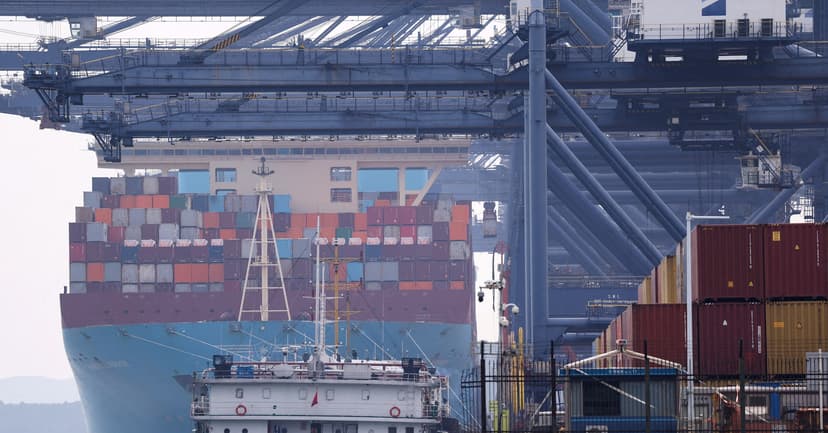
China's expansion of rare-earth export controls, initially aimed at preventing military use, has created significant confusion for exporters. Companies producing diverse items, from pill boxes to motor components, are questioning if their products fall under the new regulations, leading to a substantial increase in compliance inquiries submitted to the commerce ministry since April 2025. This regulatory tightening is occurring alongside an increase in enforcement manpower and compliance measures across China.
In contrast, the United States has recently moderated its stance, easing certain export restrictions on advanced artificial-intelligence chips during President Trump's second term. This development comes as trade tensions between the world's two largest economies persist. China's commerce ministry has seen a dramatic rise in export-control compliance queries, with the number of public inquiries jumping significantly in 2025. Official responses to these queries have remained general, offering little specific guidance on individual product licensing.
The enforcement push by Beijing is also evident in its legal and bureaucratic actions. Since enacting its Export Control Law in October 2020, China has introduced or expanded export controls 29 times. Recruitment documents indicate a substantial increase in export-control-related positions within the commerce ministry for the upcoming civil service examination. This mirrors a strategy described as weaponizing chokepoints across strategic sectors, learned from Western practices.
The pace of U.S. export controls on China has also shifted. While additions to the Entity List surged during President Trump's first term and the early Biden administration, the rate has decreased since Trump's return to office. Recent reports indicate a temporary withdrawal and potential revision of a U.S. Military End User list. These fluctuations in export control policies are expected to be a key point of discussion in upcoming talks between President Trump and President Xi Jinping.