feedzop-word-mark-logo
searchLogin
Feedzop
homeFor YouIndiaIndia
You
bookmarksYour BookmarkshashtagYour Topics
Trending
Terms of UsePrivacy PolicyAboutJobsPartner With Us

© 2026 Advergame Technologies Pvt. Ltd. ("ATPL"). Gamezop ® & Quizzop ® are registered trademarks of ATPL.

Gamezop is a plug-and-play gaming platform that any app or website can integrate to bring casual gaming for its users. Gamezop also operates Quizzop, a quizzing platform, that digital products can add as a trivia section.

Over 5,000 products from more than 70 countries have integrated Gamezop and Quizzop. These include Amazon, Samsung Internet, Snap, Tata Play, AccuWeather, Paytm, Gulf News, and Branch.

Games and trivia increase user engagement significantly within all kinds of apps and websites, besides opening a new stream of advertising revenue. Gamezop and Quizzop take 30 minutes to integrate and can be used for free: both by the products integrating them and end users

Increase ad revenue and engagement on your app / website with games, quizzes, astrology, and cricket content. Visit: business.gamezop.com

Property Code: 5571

Home / Business and Economy / China's Rare Earth Ban Fuels Global Innovation Boom

China's Rare Earth Ban Fuels Global Innovation Boom

13 Jan

•

Summary

  • China's rare earth export restrictions spurred innovation abroad.
  • Non-Chinese firms increased rare earth patent filings by 7.4%.
  • Foreign companies saw productivity gains, while China's declined.

China's Rare Earth Ban Fuels Global Innovation Boom

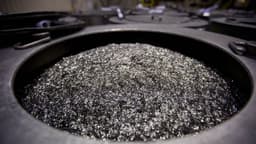
China's past stringent controls on rare earth exports have inadvertently accelerated technological advancements and competitiveness in countries outside its own. Initially intended to bolster Beijing's dominance over critical minerals, these supply shocks compelled foreign companies to innovate. A comprehensive study analyzing global patents found a notable surge in rare earth-related innovations outside China, particularly among industries heavily reliant on these materials.

The research indicates that firms outside China boosted their stock of rare earth-related patents by 7.4% compared to less affected sectors. This intense period of adaptation and investment in research and development resulted in significant productivity improvements for these foreign enterprises. Concurrently, Chinese industries dependent on rare earths faced a downturn in their productivity metrics.

This unexpected outcome highlights how trade restrictions on essential inputs can stimulate innovation and long-term growth abroad. The study's conclusions suggest that such policies can unintentionally reshape global supply chains, fostering a more competitive international landscape for critical technologies and materials.

Disclaimer: This story has been auto-aggregated and auto-summarised by a computer program. This story has not been edited or created by the Feedzop team.
China's rare earth export restrictions led to a significant increase in innovation and patent filings outside of China.
The Harvard study suggests that trade restrictions on critical inputs can unintentionally fuel innovation and growth abroad.
Industries such as electric vehicles, wind turbines, medical equipment, and artificial intelligence rely heavily on rare earth elements.

Read more news on

Business and Economyside-arrowChinaside-arrow
trending

Afghan student found dead at MSU

trending

Blinkit ends 10-minute delivery

trending

IBM expands edge AI

trending

KNRUHS scraps maternity fee

trending

SBI Clerk Mains Result Soon

trending

GATE 2026 admit card released

trending

Tata Punch facelift launched

trending

Kaka launches women's safety app

trending

IIT JAM 2026 admit card

You may also like

2025 Smashes Records: Global Temps Soar 1.4°C Higher

19 hours ago • 33 reads

article image

Japan Taps Ocean Depths for Rare Minerals

9 Jan • 40 reads

article image

Woman Dangles From Balcony Fleeing Lover's Wife

9 Dec, 2025 • 129 reads

article image

Woman Uses Scarf to Clean Subway Spill

10 Dec, 2025 • 141 reads

article image

US Crops Flow to China Again After Tariff Truce

3 Dec, 2025 • 230 reads

article image