Home / Business and Economy / Western Brands Cede China Control to Local PE
Western Brands Cede China Control to Local PE
18 Dec, 2025
Summary
- Multinational subsidiaries in China are now targets for financial sponsors.
- Starbucks is selling a 60% stake in its China unit to Boyu Capital.
- PE firms offer rapid revamps, operational speed, and local market expertise.
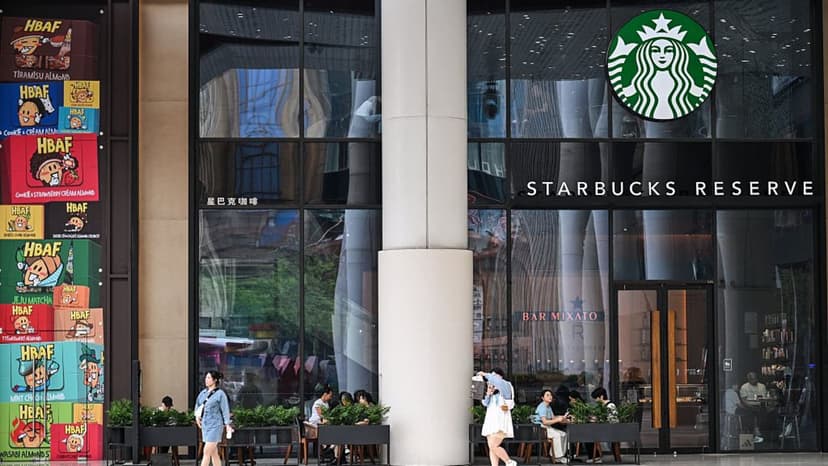
Multinational food and beverage companies are increasingly divesting significant stakes in their Chinese operations to local private equity firms, a strategic pivot to navigate the country's competitive market. Starbucks is selling a 60% stake in its China unit to Boyu Capital for $4 billion, while CPE Capital is investing $350 million for an 83% stake in Burger King's China business. These partnerships aim to leverage local expertise for rapid menu adjustments, pricing strategies, and market expansion, especially into lower-tier cities.
This trend reflects a changing landscape where homegrown brands now challenge Western giants with competitive pricing and keen insights into local consumer preferences. For instance, Luckin Coffee surpassed Starbucks in sales and store count in 2023. Private equity firms offer not just capital but also deep sector knowledge, established networks with local suppliers and regulators, and experience in management turnarounds, accelerating growth at what is termed 'China speed.'
The approach allows Western companies to retain intellectual property and licensing rights while offloading day-to-day operational burdens. This model is particularly appealing as it can generate substantial royalty fees for parent companies, as anticipated by Starbucks in its deal. With foreign direct investment in China's subsidiaries surging, this partnership model signifies a pragmatic strategy for survival and growth in a rapidly evolving market.