

Home / Business and Economy / China Banks Hide Mortgage Crisis
China Banks Hide Mortgage Crisis
7 Apr
Summary
- Banks offer payment holidays up to two years for struggling borrowers.
- Courts slow mortgage default cases to limit forced property sales.
- Millions of Chinese homes are underwater with negative equity.
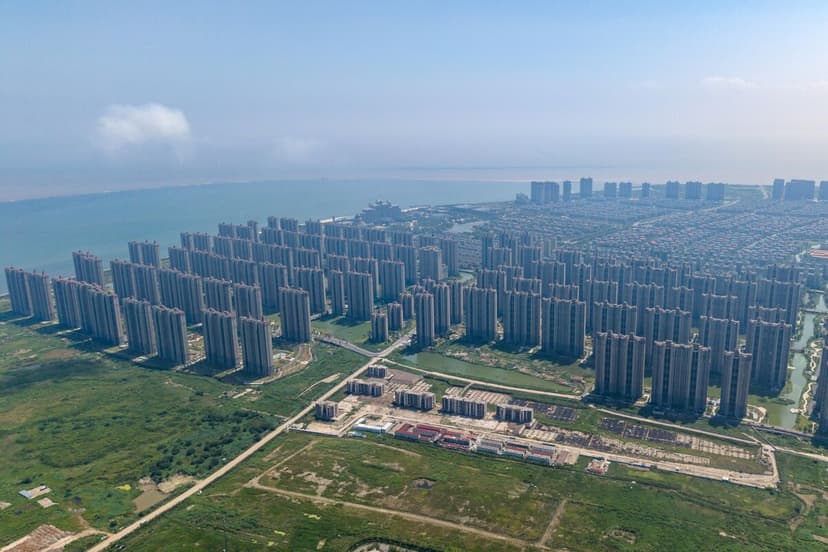
China's banking sector is navigating a significant housing downturn, with millions of mortgages now underwater. This situation, where borrowers owe more on their homes than their current market value, poses increasing risks to lenders. Banks are proactively engaging with distressed borrowers, offering creative solutions such as payment holidays for up to two years. This approach aims to prevent defaults and avoid foreclosures, which could destabilize the market further.
Behind the scenes, Chinese financial institutions are also collaborating with borrowers to find buyers for their properties instead of initiating foreclosure proceedings. Local courts have intentionally slowed down the acceptance of mortgage default cases, limiting the volume of forced property sales. These measures underscore the institutional effort to contain the fallout from a property crisis that has persisted for five years, with home values in major cities declining significantly.
The country's approach draws parallels to past global housing crises, aiming to avoid widespread foreclosures. However, China's unique legal framework, where borrowers remain responsible for the full debt even after foreclosure, discourages walking away from loans. This presents a complex challenge for banks, balancing financial stability with social impact.
While official non-performing mortgage ratios remain low, around 1%, these forbearance measures may mask the true scale of asset quality risks. The situation is particularly concerning for rural lenders with weaker client bases. Despite these pressures, Chinese banks' loan provisions are considered sufficient to cover potential losses, and the state remains committed to preventing systemic financial breakdown.
