Home / Business and Economy / Cape Coral: The New Epicenter of US Housing Meltdown
Cape Coral: The New Epicenter of US Housing Meltdown
9 Feb
Summary
- Private lenders face high foreclosure rates in Cape Coral.
- Spike in interest rates and insurance costs soured the market.
- Investor-driven housing market evolution brings new risks.
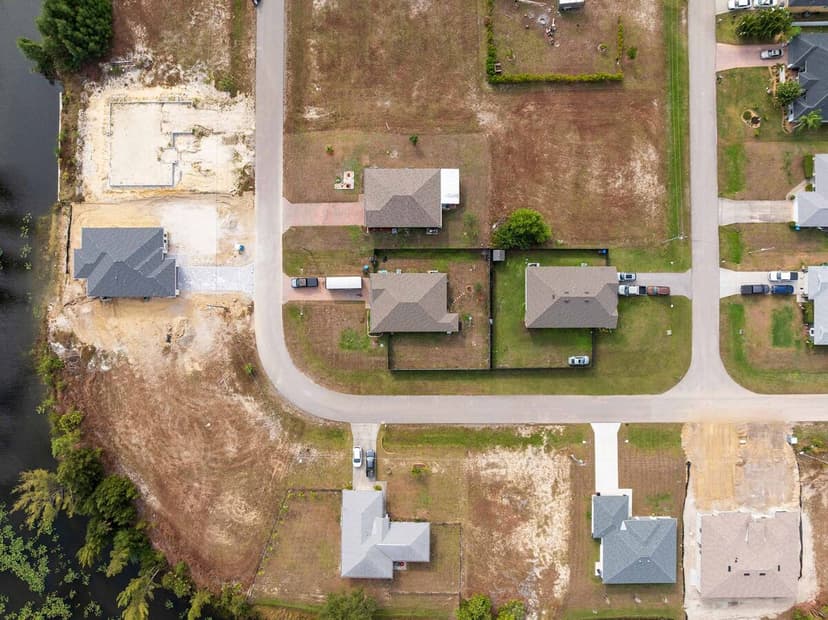
Cape Coral, Florida, has emerged as the epicenter of U.S. mortgage distress, with unfinished homes and abandoned construction sites signaling a significant housing market downturn. This crisis is largely driven by a surge in private lending, which has seen foreclosure filings quadruple in the region over the past two years, far exceeding typical mortgage default rates.
The boom, initially fueled by cheap financing and increased real estate buying during the Covid pandemic, attracted investors seeking quick profits through flipping or renting properties. However, a sharp increase in interest rates and insurance costs, coupled with the inherent risks of a relatively new and untested lending market, has led to significant financial strain.
Private lenders, who often finance up to 90% of a project, are now facing substantial risks as market conditions have soured. The situation in Cape Coral exemplifies the broader trend of homes transforming from mere residences into financial assets traded globally, a shift that, while lowering costs, has also introduced complex and often poorly understood risks.
Builders like Dave Diaz are stepping in to complete unfinished projects, assisting both desperate borrowers and financiers. This evolving landscape underscores the increased leverage and amplified losses investors can face when markets turn, as traditional cautionary lending practices are often overshadowed by the pursuit of higher returns.