Home / Business and Economy / Canadians Struggle as Food Banks Face Chronic Crisis
Canadians Struggle as Food Banks Face Chronic Crisis
9 Oct
Summary
- 35% of Canadian food charities turned people away due to resource limits.
- Windsor-Essex saw a 15% increase in food bank visits in early 2026.
- Rising living costs, not just crises, drive demand for food aid.
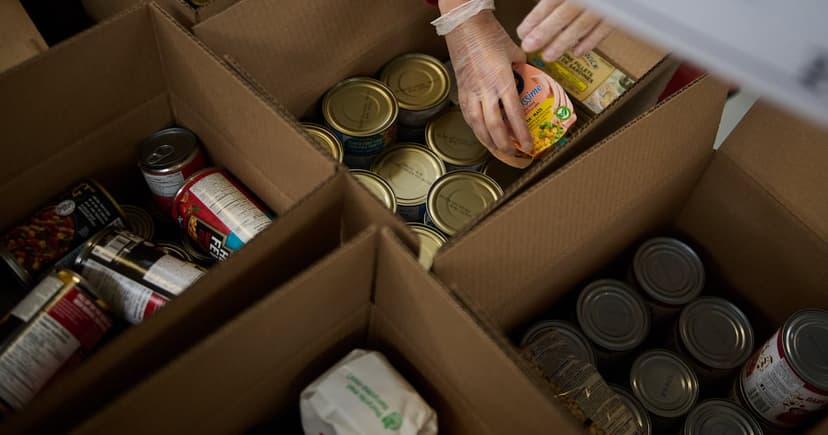
Food assistance organizations nationwide are grappling with a significant and ongoing increase in demand. A recent report revealed that 35 percent of surveyed charities have had to deny service due to insufficient food or resources. Furthermore, one in three organizations faces lengthy waitlists for those seeking support. This situation, once considered a crisis, is now described as chronic.
Across Canada, individuals from various professions, including nurses and teachers, are increasingly relying on food banks. Factors such as soaring housing costs, elevated food prices, and wages failing to keep pace with inflation are cited as primary drivers of this trend. In Windsor-Essex, the local food bank association observed a 15 percent rise in visits during the first six months of 2026 compared to the previous year.
The Windsor-Essex Food Bank Association has seen a dramatic increase in daily visits, while simultaneously experiencing a decline in food donations. This dual challenge forces them to limit the frequency with which clients can receive food hampers. The organization, which aims to provide emergency aid, is now a necessity for many, including seniors and those on fixed incomes struggling with basic living expenses.
This heightened demand has impacted seasonal events, with the Windsor-Essex Food Bank Association unable to conduct its traditional Thanksgiving turkey giveaway due to a lack of supply. This situation contrasts with other community efforts, such as a local business association's turkey giveaway, which provided much-needed relief to families facing high grocery costs.
Experts suggest that while redirecting surplus food could alleviate immediate pressure, addressing the root causes requires policy changes related to affordability and wages. Second Harvest estimates a vast amount of food is wasted in Canada's system, enough to feed millions. Such initiatives, coupled with broader economic solutions, are crucial to reducing reliance on charity for basic needs.


