Home / Business and Economy / Canada Border Rules Change for Americans
Canada Border Rules Change for Americans
28 Nov • 6 reads
Summary
- New rules begin December 1, ending the Remote Area Border Crossing permit.
- US travelers must now report arrivals via designated phone or in person.
- Failure to report may result in penalties, seizure, or criminal charges.
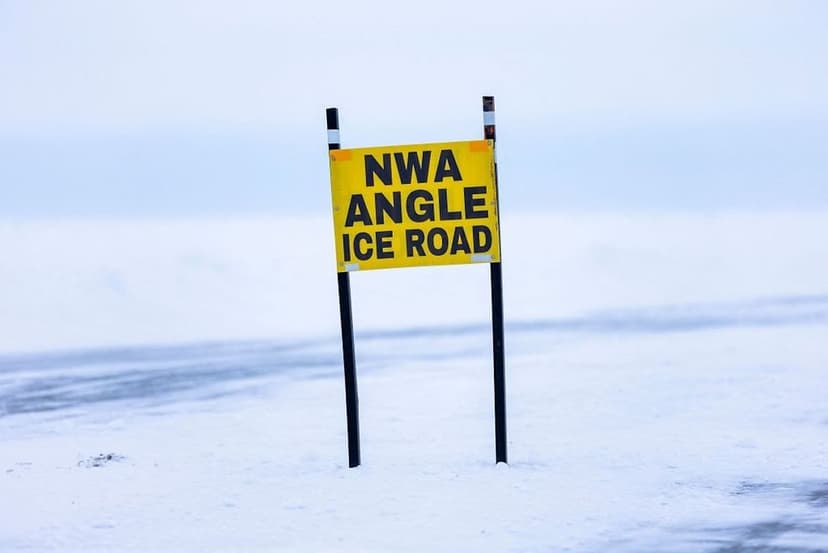
Starting December 1, 2026, Canada will enforce new border crossing regulations that affect thousands of American visitors. The existing Remote Area Border Crossing (RABC) permit program is being discontinued. This program previously allowed eligible individuals to enter Canada through specific remote areas without reporting to an officer at a staffed crossing. Approximately 11,000 people, mostly Americans, utilized this permit annually, which cost C$30 and was valid for applicants and their families.
Under the updated arrangements, all travelers entering Canada through the now-affected remote regions must report their arrival every time. This can be done in person at a port of entry or by utilizing one of the 17 operational telephone reporting sites. These new sites are located at various points such as marinas, docks, and fishing resorts. The changes aim to enhance border security and align Canadian procedures with those of U.S. Customs and Border Protection.
Americans planning to enter Canada via these areas should confirm reporting locations and operating hours beforehand. Travelers will be questioned about their visit, their mode of transport, and any goods they are bringing into the country. It is important to note that reporting by phone does not guarantee entry; border officers reserve the right to conduct in-person checks. Failing to report as required can lead to severe consequences, including financial penalties, seizure of vehicles or possessions, and possible criminal charges.
Conventional staffed border crossings remain unaffected by these changes. The Canada Border Services Agency had previously extended existing RABC permits until November 30, 2026, to allow travelers time to adapt to the new procedures. More information regarding the program's abolition and alternative reporting methods is available on the CBSA's official website.


