Home / Business and Economy / California Gas Imports Skyrocket Via Bahamas
California Gas Imports Skyrocket Via Bahamas
16 Feb
Summary
- California gasoline imports surged to record highs in November.
- More than 40% of California's gasoline arrived from the Bahamas.
- Refinery closures and pipeline lacks drive longer shipping routes.
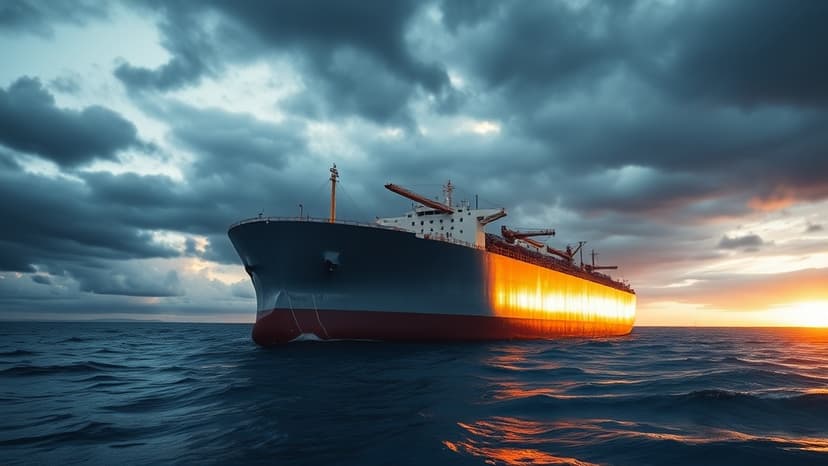
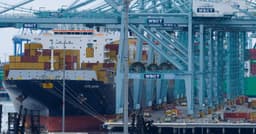
California experienced unprecedented gasoline imports in November, with over 40% of the supply coming from the Bahamas. This phenomenon highlights a growing reliance on lengthy shipping routes to meet the state's fuel demands. The situation is exacerbated by a shrinking number of oil refineries within California and the absence of adequate interstate pipelines.
The state's stringent environmental regulations have historically made refinery operations costly. However, impending closures are prompting a reconsideration of these policies. The closure of Phillips 66's Los Angeles refinery in October contributed to the surge in imports, a trend expected to continue with Valero Energy Corp. set to close a Northern California refinery this spring.
A century-old maritime law, the Jones Act, requires goods shipped between US ports to use US-built, owned, and operated vessels, which are scarce and expensive. This often leads refiners to utilize foreign-flagged vessels, sometimes routing through locations like the Bahamas to bypass these restrictions and optimize costs.
In recent years, the Bahamas has become a significant transit point for gasoline destined for California. While other Asian countries like India and South Korea are also key suppliers, the Bahamian route has become crucial for bridging supply gaps created by refinery issues. Recent easing of sanctions on Venezuela has slightly altered freight costs, potentially impacting the economic viability of these longer shipping routes.
This workaround, previously common for the US East Coast, is now increasingly seen on the West Coast. As of February 16, 2026, this trend is anticipated to persist due to ongoing refinery retirements and outages, continuing to shape California's complex fuel supply chain.