Home / Business and Economy / Budget 2026: Real Estate Boosted by Infra, Not Housing
Budget 2026: Real Estate Boosted by Infra, Not Housing
1 Feb
Summary
- Budget 2026 focuses on infrastructure capex, REITs, and rail connectivity for real estate.
- Affordable housing receives no direct fiscal relief or tax incentives.
- Seven high-speed rail corridors announced to spur development.
The Union Budget for FY2026-27 positions real estate as an indirect beneficiary, primarily through substantial infrastructure spending and asset monetization initiatives. Public capital expenditure has been elevated to Rs 12.2 lakh crore for FY27, with a notable emphasis on cities exceeding five lakh in population. This increase is designed to stimulate urban expansion and housing demand in emerging centers.
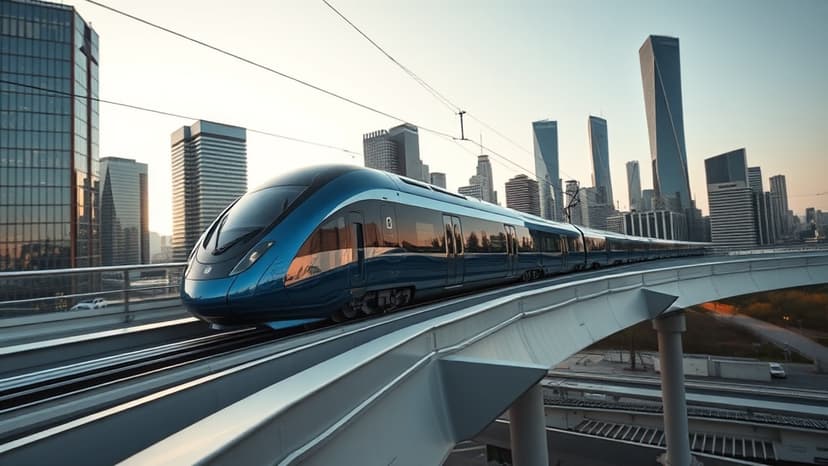
Key measures include an Infrastructure Risk Guarantee Fund to ease project financing and dedicated REITs for monetizing Central Public Sector Enterprise (CPSE) real estate assets. The announcement of seven high-speed rail corridors, including Mumbai-Pune and Delhi-Varanasi, is expected to foster significant residential and industrial development along these transit routes.
Despite these enabling measures, the Budget omits direct fiscal incentives for the real estate sector, particularly for affordable housing, which continues to face economic pressures. Industry experts note a focus on macro stability and infrastructure-driven growth rather than immediate demand stimulus for the sector.
The Budget's strategy prioritizes downstream benefits for real estate from infrastructure development, financing support, and asset recycling. While this strengthens the foundation for growth, especially outside major metros, the critical affordable housing segment remains in need of targeted policy support.