Home / Business and Economy / Bidri Art Fades: Rising Costs Threaten Ancient Craft
Bidri Art Fades: Rising Costs Threaten Ancient Craft
10 Dec
Summary
- Silver and zinc prices surged, making raw materials unaffordable.
- Closure of Kaveri Complex disrupted supply chains and sales.
- Government aid is absent, pushing artisans to abandon craft.
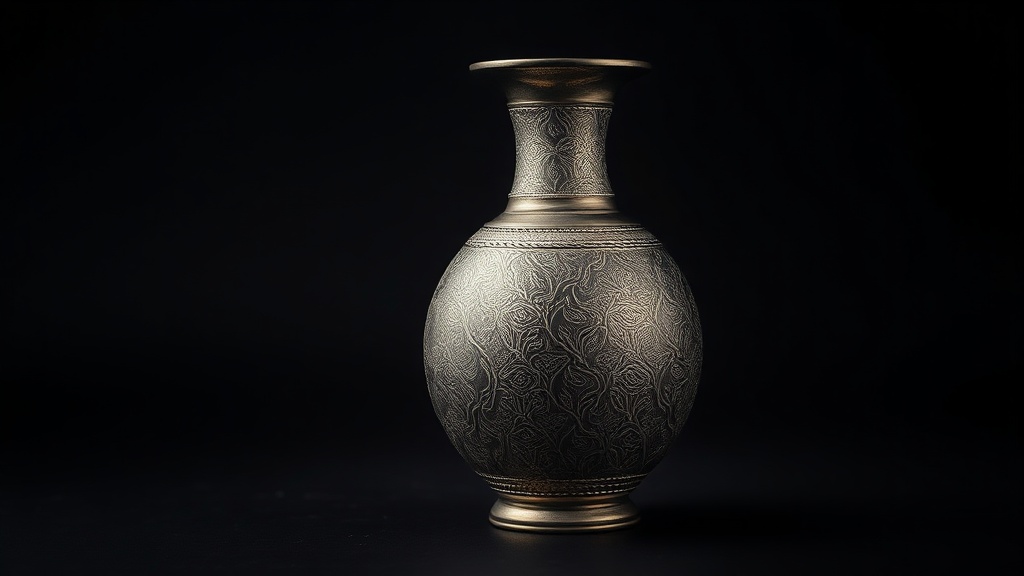
Bidar's famed Bidri art is under severe threat as the cost of essential raw materials like silver, copper, and zinc has dramatically increased. This sharp price hike, coupled with the closure of the Kaveri Complex, has left over 150 local artisans unable to afford the necessary supplies for their intricate work. The complex previously provided bullion and other inputs, while also procuring finished pieces for wider distribution.
The disruption caused by the Kaveri Complex's shutdown has severely constrained production, even as demand for Bidri artefacts remains strong. Artisans like Khurram Khan note that the intricate process requires significant skill and labor from multiple individuals. The combination of escalating costs, lack of government support, and supply chain issues is forcing many to abandon the craft they have practiced for generations.
Bidri art, characterized by its distinctive black lustre derived from Bidar's fort clay and inlaid silver, received Geographical Indication (GI) recognition in 2016. Despite its global reputation and demand in major Indian cities and abroad, the economic challenges now make it unprofitable for artisans to continue, prompting calls for urgent government intervention.