Home / Business and Economy / Contactless Payment Scam 'Ghost Tapping' Haunts Unsuspecting Victims
Contactless Payment Scam 'Ghost Tapping' Haunts Unsuspecting Victims
11 Nov, 2025
Summary
- 'Ghost tapping' scam exploits contactless payment features
- Scammers use hidden readers to trigger unauthorized payments
- Victims report losing hundreds of dollars through this fraud
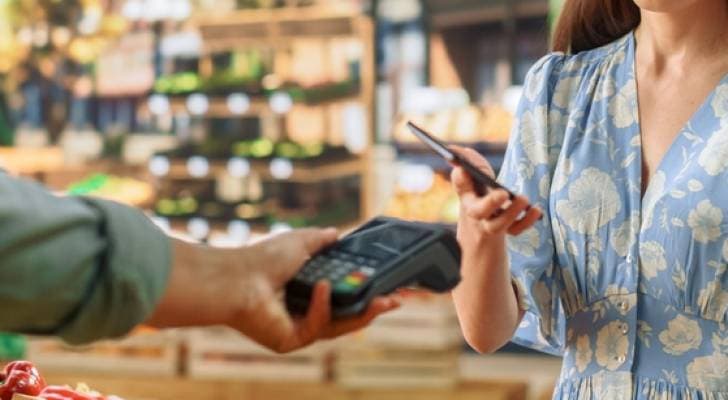
In the past few years, the rise of contactless payments has made them an integral part of everyday life. However, a troubling scam known as "ghost tapping" is now exploiting the very convenience that these payment methods promise.
According to the article, ghost tapping is a fraud method that targets the "tap-to-pay" feature found on cards and mobile wallets. Scammers use near-field communication (NFC) technology to exchange data with payment terminals at close range, allowing them to trigger unauthorized transactions without the victim's knowledge.
The Better Business Bureau (BBB) has recently warned about this type of fraud, having received several reports of it. One victim reported that an individual claiming to sell chocolate for a good cause insisted on tap-to-pay and then charged their card for $537 without their consent. Another victim lost $1,100 through a similar scheme.
Scammers have devised various approaches to carry out ghost tapping, such as bumping or brushing past someone in a crowded location with a hidden reader, or posing as vendors, charity collectors, or door-to-door sellers and insisting on tap payments before charging far more than expected. In more sophisticated cases, they may even trick victims into entering card details into phishing apps or links, add them to mobile wallets they control, and make unauthorized tap-to-pay purchases.
As contactless payments continue to rise, with the U.S. expected to have 17.9 billion such transactions and 300 million contactless-enabled cards in circulation by 2023, fraudsters are finding new ways to exploit this technology for their own gain. Consumers must remain vigilant to avoid falling victim to this emerging scam.


