Home / Business and Economy / Barclaycard Turns 60: A Payment Revolution
Barclaycard Turns 60: A Payment Revolution
29 Jun
Summary
- Barclaycard launched 60 years ago, revolutionizing UK payments.
- Initial use allowed purchases up to £25, aiding women's credit access.
- Gen Z prefers mobile payments, with many rarely using cash or cards.
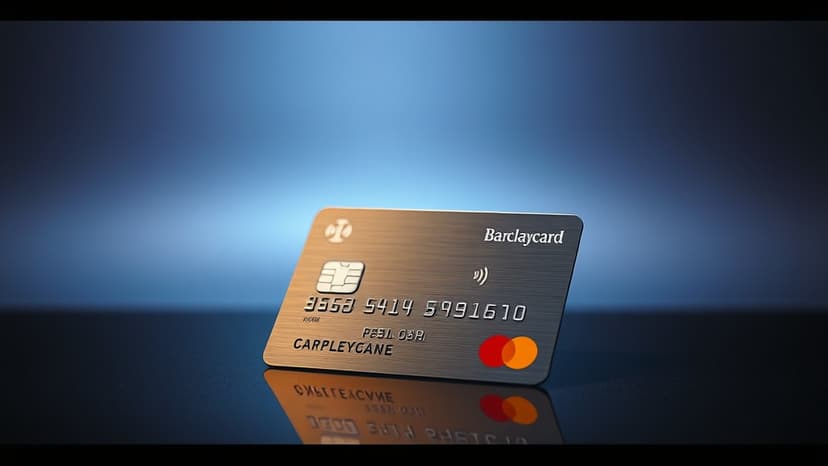
Barclaycard is celebrating its 60th anniversary, marking six decades since its revolutionary launch in the UK on June 29, 1966. Initially conceived with a modest business strategy, a £20,000 investment, and a team of around 200 people working from a converted shoe factory in Northampton, the card rapidly changed how Britons paid for goods.
Within its first year, over a million people in the UK adopted Barclaycard. The introduction of this payment method was particularly significant as it granted women access to credit independently, without needing a male guarantor. This marked a crucial step towards financial autonomy.
Today, the landscape of payments has been further reshaped by digital innovation. A recent survey reveals that a majority of Gen-Z individuals prefer mobile payments for everyday in-store purchases. Across all surveyed age groups, a substantial number no longer carry cash daily, and a significant percentage frequently leave home without a physical card.
This generational shift is evident, with many younger individuals never having used a cheque. However, physical currency remains relevant across all age groups, with only a minimal percentage never having handled cash. This ongoing evolution underscores a continuous commitment to making payments simpler, safer, and more convenient.


