Home / Business and Economy / Strait of Hormuz Closure Sparks Recession Fears
Strait of Hormuz Closure Sparks Recession Fears
16 Mar
Summary
- Interest rates may rise due to Strait of Hormuz closure.
- Oil prices surge, threatening Australia's affordability crisis.
- Recession risk increases as RBA considers further rate hikes.

The Australian economy faces significant headwinds as the Strait of Hormuz shipping route has been closed for the first time in history. This unprecedented event, impacting global trade beyond oil, has led many economists to predict a looming interest rate hike by the Reserve Bank of Australia (RBA).
The closure of the Strait of Hormuz, critical for oil, LNG, and other vital commodities, has sent oil prices soaring above US$100 a barrel. This surge deepens Australia's existing affordability crisis, already strained by post-pandemic inflation and high housing costs. Experts warn of potential further rate increases.
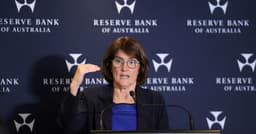
Economists anticipate at least two more rate hikes this year, with futures markets suggesting an even higher cash rate by November. The RBA's potential action aims to prevent inflation from becoming entrenched in expectations and wage agreements. However, this strategy carries the substantial risk of triggering a recession.
The reopening of the Strait of Hormuz is uncertain, with no clear timeline for resolution. This prolonged disruption could significantly impact global oil supplies, with historical precedents showing severe economic consequences from even smaller supply hits. The duration of the closure is a critical factor determining Australia's economic outcome.