Home / Business and Economy / Strait of Hormuz Disruptions Spark Asian Oil Scramble
Strait of Hormuz Disruptions Spark Asian Oil Scramble
1 Mar
Summary
- Asian governments assess oil stockpiles and shipping routes.
- Asia buys two-thirds of its crude supply from the Middle East.
- Tankers carrying 20% of global oil pass through the Strait daily.
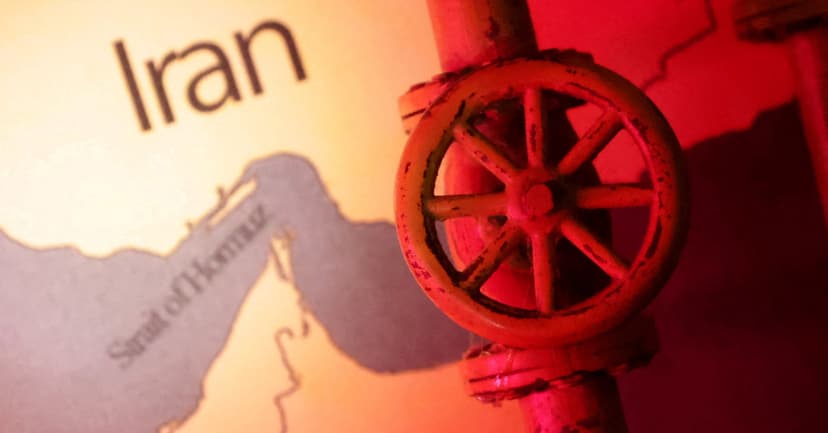
Asian governments and refiners are actively evaluating their oil stockpiles and exploring alternative shipping routes and supplies following disruptions in the critical Strait of Hormuz. This vital waterway, connecting the Gulf to the Arabian Sea, typically sees tankers carrying 20% of daily global oil consumption. Asia's heavy reliance on Middle Eastern crude, importing two-thirds of its supply from the region, makes it particularly vulnerable to any supply interruptions.
Japanese shipping firms have suspended operations around the Strait, though Tokyo reports no immediate impact on its supply. Indian state refiners, meanwhile, are actively seeking alternative crude sources, relying on existing 20-day reserves. South Korea's government plans to release petroleum from national stockpiles if disruptions persist, with reserves reportedly sufficient for seven months. Local refiners are checking vessel passage permissions and considering spot supplies if necessary.
Several tanker owners, oil majors, and trading houses have paused shipments of crude, fuel, and liquefied natural gas via the Strait. While oil infrastructure remains unaffected, the current challenge stems from insurability issues impacting shipping activity, rather than an outright blockade. Analysts anticipate higher oil prices, potentially offset by increased production from OPEC+ producers.