Home / Business and Economy / Asia Stocks: AI Rally Meets Iran War Shock
Asia Stocks: AI Rally Meets Iran War Shock
20 Mar
Summary
- Asian equities rallied on AI and commodities, not consumption.
- The Iran war exposed the region's energy dependence.
- AI boom turbocharged earnings for tech giants like Samsung.
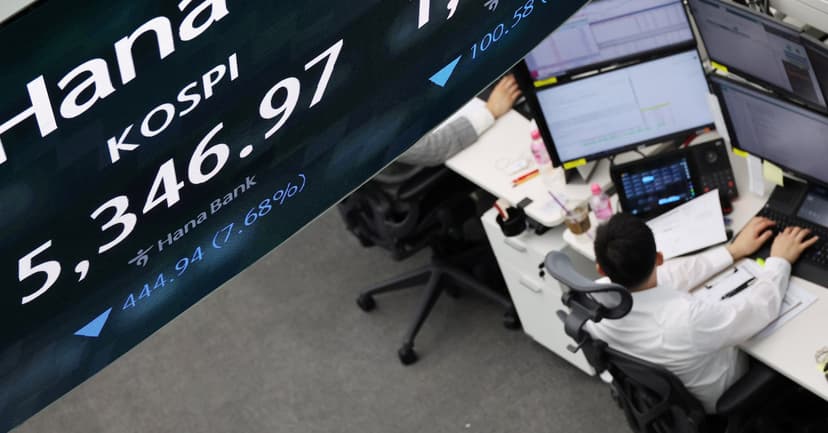
Asian equity markets were experiencing a strong rally, propelled by a surge in earnings attributed to artificial intelligence enthusiasm and healthy commodity exports. This economic model, however, was stress-tested by the outbreak of the Iran war, revealing the region's significant reliance on Middle Eastern energy.
South Korea's KOSPI index experienced its worst-ever daily percentage loss on March 4, plummeting over 12% due to the energy shock stemming from the Middle East conflict. Leading up to this crisis, Asian stocks had been climbing, not due to high price-to-earnings multiples, but rather an improving earnings outlook.
Over the six months preceding the Middle East tensions, Asian stock prices were bolstered by upward revisions to earnings estimates, even as forward price-to-earnings multiples declined. This divergence indicates substantial upgrades to forward earnings per share, notably in South Korea and Taiwan, driven primarily by the AI sector's supply chain.
Companies involved in AI infrastructure, such as Taiwan Semiconductor Manufacturing and Korean tech giants Samsung Electronics and SK Hynix, saw their earnings significantly boosted by high demand for memory chips. Similar earnings increases were observed in China's materials sector due to rising metal prices, and in Korea's aerospace and defense industry due to geopolitical risks.
The sustainability of these earnings upgrades is now in question. The cyclical nature of the semiconductor market, potential logistical hurdles for hyperscalers, and the impact of spiking energy prices and raw material shortages due to the Iran war raise concerns about the longevity of these gains.
In contrast, domestic consumption remains a weak point for Asia. Retail sales growth in China, Korea, and Taiwan hovers around 1%, with consumer-focused sectors largely absent from earnings gainers and prominent among earnings 'losers'. This reliance on external demand, rather than internal consumption, presents a significant challenge to the region's economic stability amid global uncertainties.