


Home / Business and Economy / Asia's Airports Seize Global Travel Chance Amidst Conflict
Asia's Airports Seize Global Travel Chance Amidst Conflict
10 Apr
Summary
- China and India seek to become global travel hubs.
- Middle East travel is constrained, offering a unique opportunity.
- Asian airports are adding capacity for increased passenger flow.
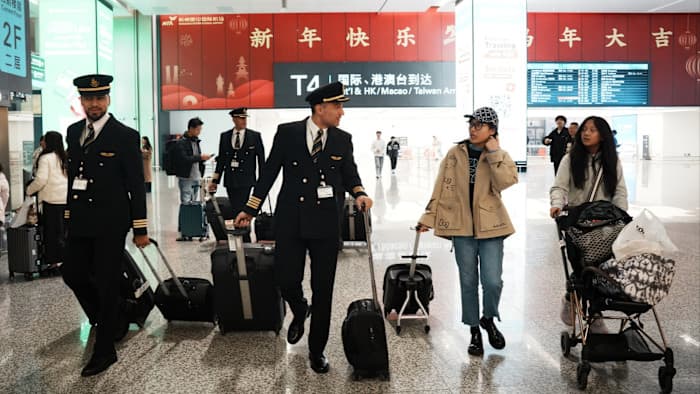
The ongoing Iran conflict presents a significant, albeit temporary, chance for Chinese and Indian airports to emerge as primary global travel hubs. Before the recent hostilities, a substantial portion of Asia-Europe travel transited through Middle Eastern airports like Dubai and Doha. While China and India have been developing their infrastructure, they have not yet matched the scale of Gulf hubs. Industry experts believe this current period of disruption in the Middle East, expected to last for months, is a generational opportunity for Asia's airports to gain prominence.
India, despite past regulatory hurdles and a lack of a dominant airline, is significantly expanding its aviation capacity. Both Air India and IndiGo are set to triple their fleet sizes within the next decade. Similarly, China is investing heavily in airport infrastructure anticipating a domestic travel surge. This expansion is crucial as connectivity grows within these nations, potentially increasing passenger transit through their airports. Early indicators are positive, with a notable rise in bookings for business travel transiting through mainland China following the conflict's outbreak.
