Home / Business and Economy / ASEAN Markets Diverge: Leaders Emerge
ASEAN Markets Diverge: Leaders Emerge
21 Sep
Summary
- Select ASEAN markets show strong gains, contrasting with laggards.
- Singapore and Thailand lead with AI and political stability boosts.
- Malaysia and Indonesia face challenges despite positive sector trends.
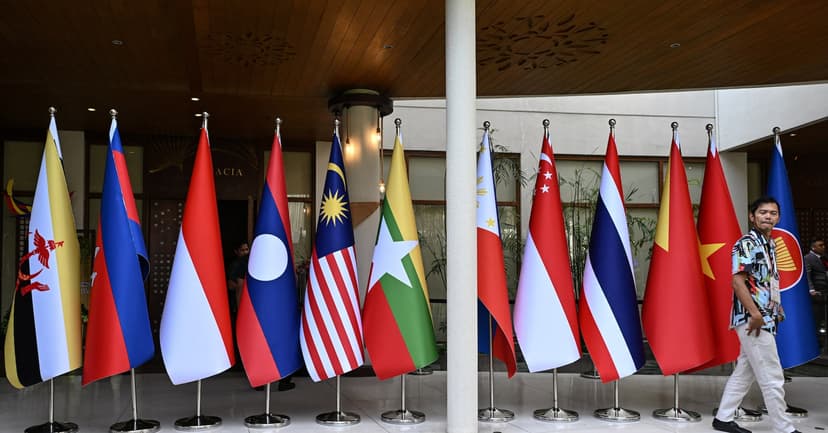
Several Association of Southeast Asian Nations (ASEAN) markets have performed exceptionally well this year, contrasting sharply with others in the bloc. Thailand's SET Index and Singapore's Straits Times Index have seen substantial surges, driven by factors including increased defense spending and significant AI capital expenditure. These gains benefit local semiconductor firms, data center providers, and equipment suppliers.
Singapore's equity boom is largely attributed to its dominant financial sector, with top banks benefiting from wealth management growth. Its political neutrality and stable currency have attracted safe-haven capital. Thailand is also benefiting from AI-driven manufacturing shifts from China and positive economic outlooks following recent government formation.
Conversely, markets like the Philippines and Malaysia have shown near-flat returns, while Indonesia, the bloc's largest economy, has experienced a significant decline. Malaysia is a major beneficiary of cloud computing and data center investments, yet its main index lags due to sector weightings. Indonesia faces challenges including a weakening rupiah and concerns over its fiscal deficit.
Future performance in ASEAN markets is expected to depend more on local policy, corporate governance, and sector-specific catalysts rather than broad macroeconomic trends. Investors are increasingly favoring Singapore for its high dividend yield and safe-haven status, while Thailand's revised growth forecast remains modest.


