Home / Business and Economy / Passenger Weight Loss Saves Airlines Millions
Passenger Weight Loss Saves Airlines Millions
19 Jan
Summary
- Airlines could save up to $580 million in fuel costs this year.
- Weight loss drugs like Ozempic contribute to slimmer passengers.
- A 10% passenger weight reduction can cut fuel costs by 1.5%.

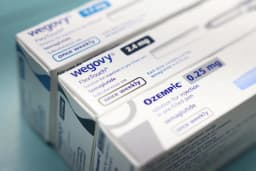
Airlines are poised to save an estimated $580 million in fuel costs this year as passengers increasingly utilize GLP-1 medications, such as Ozempic and Wegovy, for weight loss. This trend, stemming from initial diabetes treatments that gained popularity for their slimming effects, directly impacts operational expenses. A reduction in passenger weight by 10% could translate to substantial savings for carriers like Delta and United.
The financial benefits extend beyond fuel efficiency. Analysts project that such weight reductions can boost airline earnings per share by up to 4%. This phenomenon is driven by the fundamental principle that lower aircraft weight directly correlates with reduced fuel consumption. A study using a Boeing 737 Max 8 exemplified these savings, showing a notable decrease in total weight if passengers shed body mass.
While these medications offer significant advantages, including potential cost reductions for some through presidential agreements, their high price remains a barrier for many. The average monthly cost can exceed $1,000, though new deals aim to lower prices for Medicare and Medicaid. This development continues to draw attention, following discussions about accommodating passengers of varying sizes.