


Home / Business and Economy / War's Ripple Effect: Air Travel Costs Skyrocket
War's Ripple Effect: Air Travel Costs Skyrocket
19 Apr
Summary
- Jet fuel prices nearly doubled, impacting airline operating costs.
- Airlines are reducing flights and increasing ticket prices.
- Experts advise booking flights soon, avoiding basic economy fares.
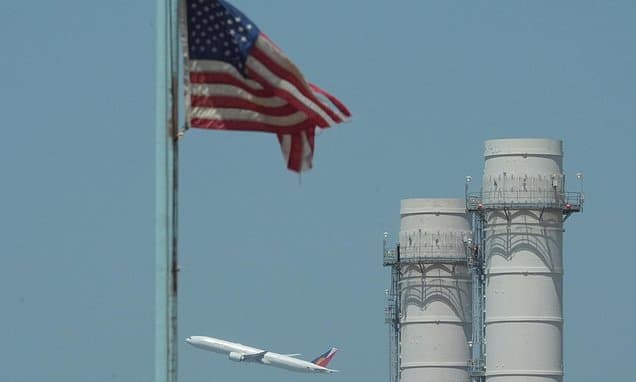
Global oil supply disruptions stemming from the conflict between the U.S., Israel, and Iran are creating significant concerns for air travelers planning late spring and summer trips.
As of April 19, 2026, the International Energy Agency has cautioned that European countries could face jet fuel shortages within weeks, potentially forcing airlines to drastically reduce flights. Many carriers have already responded by increasing checked bag fees or implementing fuel surcharges due to the escalating cost of jet fuel, which has risen from approximately $99 per barrel in late February to as high as $209 a barrel in early April.
Air Canada, for instance, planned to suspend its service to New York's JFK from June 1 to October 25 to mitigate rising fuel expenses. Other international airlines, including United, Delta, Air France-KLM, SAS, Philippine Airlines, and Cathay Pacific, have scaled back routes and either raised ticket prices or indicated intentions to do so if oil transit through the Strait of Hormuz remains obstructed.
Travel experts suggest that the current volatile environment makes airline predictions difficult, leading to conservative operational strategies and persistently elevated prices until stabilization occurs. They advise travelers finding suitable flights and fares to book them promptly, emphasizing the importance of avoiding basic economy tickets due to their restrictive refund and change policies.
For those looking to manage costs, shifting travel dates by a day or two, especially to midweek, can yield significant savings. Choosing alternative destinations or airports, and utilizing tools like Skyscanner's 'Explore Everywhere' feature, can also uncover cheaper options. Packing only carry-on luggage can help avoid increasing checked bag fees, which many major U.S. airlines have recently introduced.
Despite rising fares, the number of airline points required for many flights has not kept pace, offering an avenue for cost savings. Travelers can redeem points for one leg of a journey to reduce cash expenses. Sign-up bonuses for travel credit cards can also provide substantial benefits, sometimes covering an entire flight after meeting minimum spending requirements. Furthermore, accumulating points through everyday spending on groceries, dining, and gas, along with cards offering perks like free checked bags, can enhance travel value.
