Home / Business and Economy / Davos Optimism: AI's Job Boom or Bust?
Davos Optimism: AI's Job Boom or Bust?
24 Jan
Summary
- Nvidia CEO Jensen Huang predicts AI will create more jobs.
- Some executives view AI as an excuse for planned layoffs.
- Concerns exist over AI's potential impact on small businesses.

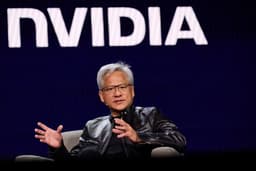
At the World Economic Forum in Davos, business leaders largely conveyed optimism regarding artificial intelligence's capacity to foster job growth, even amidst underlying anxieties about workforce reductions. Nvidia CEO Jensen Huang asserted that AI, alongside energy and the chips industry, is a significant job creator, predicting higher pay and increased employment.
However, this optimistic outlook was tempered by skepticism. Some executives indicated that AI might serve as a pretext for companies intending to downsize their workforce regardless. Concerns were voiced about AI's potential to supplant small businesses, with autonomous agents handling consumer needs and labor union leaders questioning the cost of technological advancements.
Despite these reservations, many foresee AI driving returns on investment by automating tasks and business processes. Companies like BNY and Cisco reported significant reductions in research and project completion times due to AI implementation. IBM's chief commercial officer noted AI's maturation, enabling tangible returns. BlackRock, the world's largest asset manager, aims to maintain a flat headcount while expanding its business through AI.
Conversely, some companies, such as Amazon.com, are proceeding with job cuts. The International Trade Union Confederation highlighted that workers perceive AI as a threat if they lack a voice in its implementation. Philanthropist Bill Gates acknowledged the potential for disruption but emphasized AI's ability to increase economic productivity, suggesting solutions like taxing AI activities to support affected workers.