Home / Business and Economy / Africa's Population Boom: Blessing or Curse?
Africa's Population Boom: Blessing or Curse?
11 Aug
Summary
- Africa's population is set to double to 2.5 billion by 2050.
- Low population density historically hindered Africa's development.
- Demographic normalization may spur economic growth if policies are good.
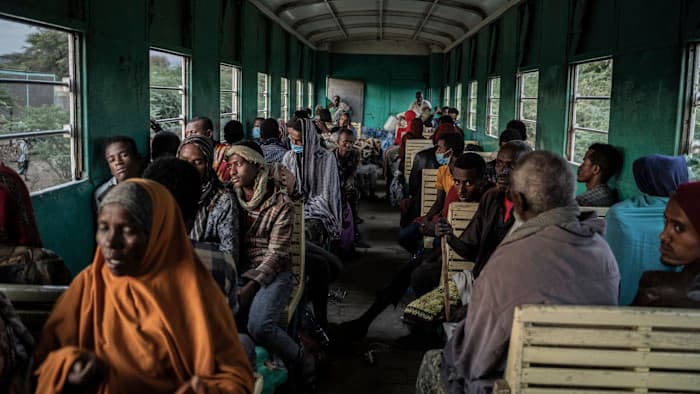
Africa's burgeoning population, projected to reach 2.5 billion by 2050, is viewed by some as a demographic normalization. Historically, the continent suffered from chronic underpopulation, hindering development due to low density and lack of concentrated markets. Factors like disease, the slave trade, and poor soil kept populations sparse, preventing the formation of cities crucial for economic growth.
Advances in medicine in the 20th century significantly reduced mortality rates, leading to population growth. As density increases, Africa is showing signs of progress, with improvements in agriculture, education, and electricity access. This concentration is fostering economic growth in urban centers, with Sub-Saharan Africa experiencing robust expansion.
Despite positive trends, challenges remain. To achieve a demographic dividend, birth rates must fall faster, and governments need effective policies, including good infrastructure and combating corruption. Concerns exist that Africa may miss out on traditional manufacturing-led growth due to the rise of AI. While some nations will likely perform better than others, Africa's current demographic landscape offers potential for transformation.


