
Home / Business and Economy / Musk's Temper Tantrum on the Stand
Musk's Temper Tantrum on the Stand
30 Apr
Summary
- Elon Musk struggled with yes/no questions during his testimony.
- Musk's deposition answers differed from his testimony.
- Musk allegedly tried to control OpenAI before withdrawing funding.
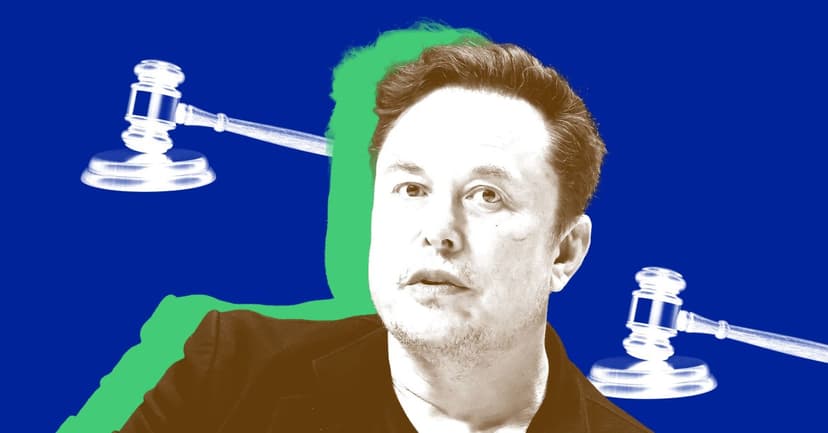
Elon Musk's testimony in the OpenAI lawsuit was marked by difficulties in answering direct questions, often becoming argumentative and forgetful. Jurors and the presiding judge, Yvonne Gonzalez Rogers, appeared visibly frustrated during his cross-examination by defense lawyer William Savitt.
Musk's testimony presented a narrative of being misled by Sam Altman, claiming he was a "fool" who provided substantial funding that led to a multi-billion dollar for-profit entity. He asserted that OpenAI was "stealing a charity" and "looting a non-profit."
However, Savitt's cross-examination highlighted inconsistencies between Musk's current testimony and his prior deposition statements. Evidence suggested Musk's withdrawal of quarterly payments to OpenAI stemmed from his demand for full control, including four board seats and 51 percent of shares, which was not met.
Further details indicated Musk's attempt to merge OpenAI with Tesla in 2018, believing it was the only way to compete with Google. Emails revealed Musk's long-standing concerns about OpenAI's non-profit structure as early as 2016, questioning if it was the "wrong move" due to a lack of urgency.
Musk's responses to questions about his understanding of OpenAI's corporate structure and his actions, such as hiring OpenAI's engineer Andrej Karpathy for Tesla, came under scrutiny. His explanation for not retaining Karpathy for OpenAI was that "people should have a right to work where they want to work."
Musk repeatedly accused Savitt of asking trick questions and refused to answer certain points, including whether cutting donations would create financial pressure or if he had asked Karpathy to stay. These exchanges repeatedly undermined his claims of not losing his temper or yelling at people.
Despite his direct testimony portraying him as a victim, Musk's cross-examination painted a picture of someone who acted pettily and was difficult to deal with. The core of the argument against Musk was that he tried to kneecap OpenAI after failing to gain full control, subsequently attempting to fold it into Tesla.
