
Home / Business and Economy / Modi's WFH Push: India's Fuel Crisis Solution?
Modi's WFH Push: India's Fuel Crisis Solution?
13 May
Summary
- PM Modi urges offices to revive work-from-home arrangements.
- Hyderabad IT sector could save ₹140 crore monthly with partial WFH.
- IT sector is uniquely positioned for remote work, proved during pandemic.
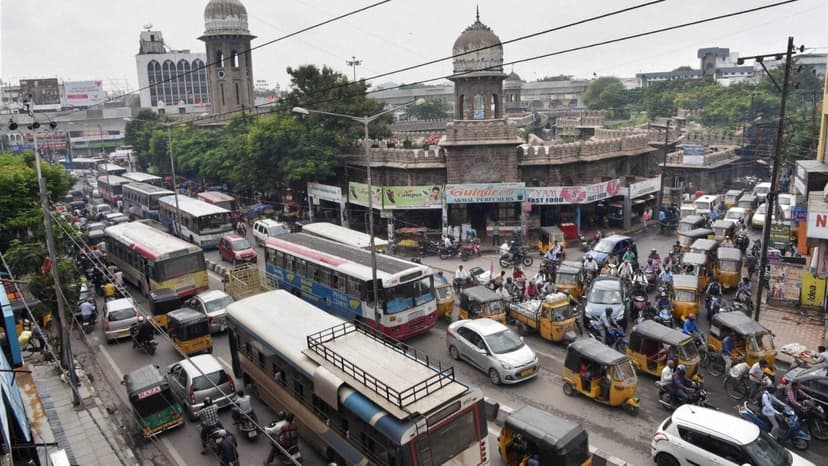
Amidst concerns over global crude oil supply chains, Prime Minister Narendra Modi has encouraged offices to reintroduce work-from-home policies and reduce non-essential travel. This appeal aims to conserve fuel, with Hyderabad's IT sector highlighted as a prime example of potential savings. The city's tech corridor, home to over 9 lakh IT and ITES employees, faces significant daily commutes. A partial shift to remote work could lead to substantial fuel cost reductions.
Illustrative calculations suggest that if 4.5 lakh IT employees in Hyderabad work from home three days a week, it could save approximately ₹11.6 crore per day, or nearly ₹140 crore per month. The IT and ITES sector is uniquely equipped for remote work, having demonstrated its capability during the COVID-19 pandemic. This aligns with appeals from employee unions for formal remote work advisories, emphasizing reduced fuel usage and environmental impact.
While companies have been encouraging a return to office, framing WFH as a national interest and business continuity measure, as suggested by the Prime Minister's appeal, could shift perspectives. Hyderabad, with its growing base of Global Capability Centres, presents a significant opportunity to leverage remote work for demand management and fuel conservation, addressing its own commuting challenges.
