
Home / Business and Economy / Gen Z Snacks: Clean, Lean, and Mean
Gen Z Snacks: Clean, Lean, and Mean
4 May
Summary
- Younger generations prefer snacks with natural ingredients.
- Protein-packed and functional snacks are increasingly popular.
- Gen Z trusts third-party apps over brand labels for snack choices.
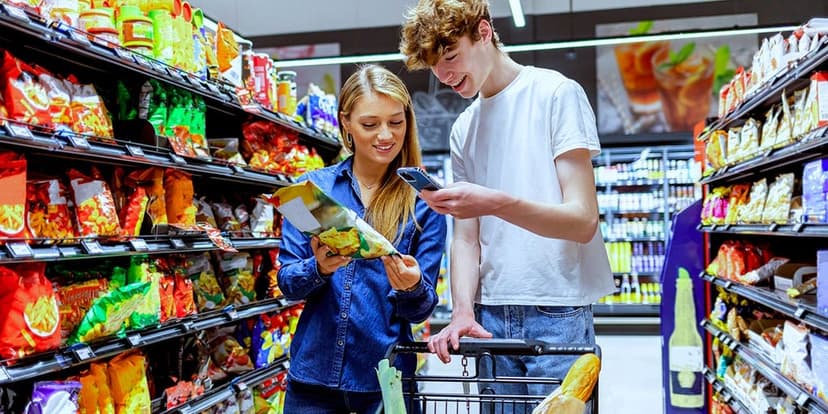
America's snack habits are undergoing a significant shift, driven by Gen Z and Gen Alpha consumers who are reshaping demand in the grocery aisle. These younger demographics are prioritizing snacks featuring natural ingredients, enhanced nutritional benefits, and lower costs. Specifically, 35% of parents with Gen Alpha children report favoring natural ingredients, and 34% seek high-protein options.
Consumers are increasingly looking for snacks free from synthetic additives, with the FDA even moving to ban Red Dye No. 3 from food and drinks starting in 2027. This focus on health extends to brands, with protein-packed and functional snacks, like those promoting gut health, gaining traction. Younger shoppers are also more discerning, questioning marketing claims and relying on third-party sources, influencers, and apps like Yuka or Fooducate to evaluate products.
Brands are responding by enhancing transparency through simpler labels and upfront ingredient displays, exemplified by products like RXBAR. Social media platforms, especially TikTok and Instagram, play a crucial role in a snack's popularity, with viral products backed by trusted creators experiencing rapid sales. Economically, many Gen Z consumers are opting for smaller packages, even at a higher per-unit price, while still willing to invest more in snacks perceived as healthier.
Despite these evolving preferences, the demand for snacks remains robust, with approximately three-quarters of consumers snacking daily. Global flavors and nostalgic favorites continue to be popular, indicating a sustained appetite for variety and adventure in the snack category.
