
Home / Business and Economy / Standard Oil's Legacy: From Monopoly to Global Giant
Standard Oil's Legacy: From Monopoly to Global Giant
1 May
Summary
- Exxon and Mobil merged in 1998 for $73.7 billion.
- The company's stock has averaged near 14% annual returns.
- Vertical integration insulates ExxonMobil from market volatility.
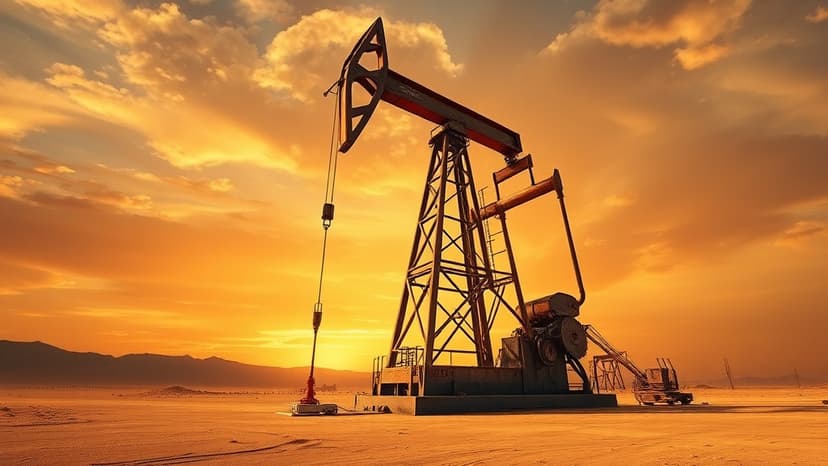
ExxonMobil, the fifth-largest energy company globally, is a direct descendant of John D. Rockefeller's Standard Oil, dissolved in 1911. The modern conglomerate formed in 1998 through a monumental $73.7 billion merger between Exxon and Mobil, reuniting two major Standard Oil offshoots.
The merger created a powerful entity, with Exxon shareholders receiving approximately 70% of the new company. Lee Raymond continued as CEO, while Lucio Noto became vice-chairman. Headquartered in Irving, Texas, ExxonMobil has demonstrated remarkable financial performance, with stock historically averaging close to a 14% annual return and consistently paying dividends.
The company's stock price has experienced notable surges, particularly in the mid-to-late 2000s when oil prices soared. Despite subsequent market corrections, such as the 2008 financial crisis and a dip in September 2015, ExxonMobil's stock has shown resilience.
ExxonMobil's success is partly attributed to its vertical integration. This strategy allows different operational divisions, like refining, to support those in exploration and drilling during market downturns. As of January 1, 2017, Darren Woods assumed leadership as CEO, and by 2017, the stock price reached a high of $79.25.
